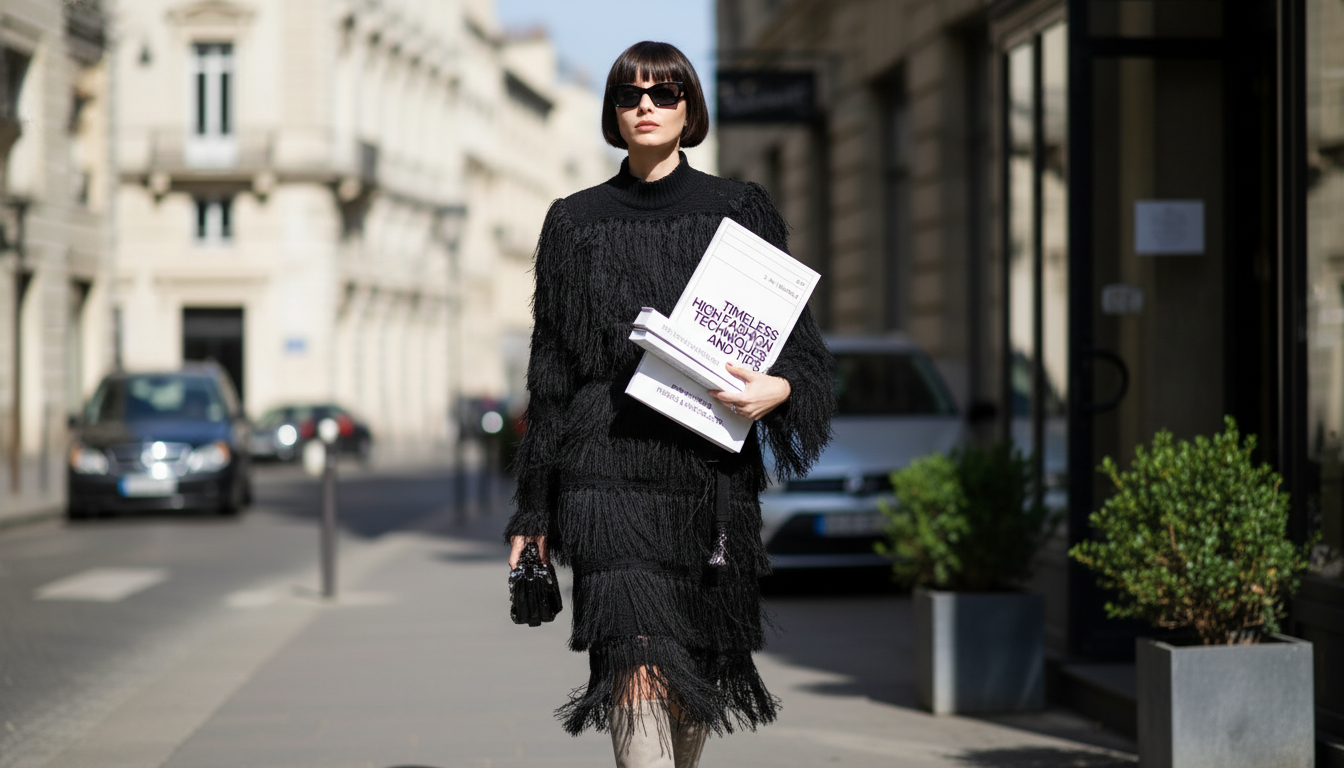
Timeless style is less about chasing trends and more about mastering a repeatable set of fashion techniques: proportion, fabric intelligence, finishing details, and disciplined wardrobe editing. The goal is a closet that photographs well, wears well, and stays relevant season after season—without constant replacement.
A “high fashion” effect usually comes from structure and intention, not complexity. Even a plain tee and trousers can look editorial when the silhouette is controlled and the finishing is sharp.
| Technique | What to Do | What to Avoid |
|---|---|---|
| Fit & tailoring | Prioritize shoulder fit, hem lengths, and waist placement; tailor the “workhorse” pieces | Buying multiples of “almost fits” and trying to compensate with accessories |
| Proportion | Use one focal proportion (wide leg, oversized blazer, maxi length) and keep the rest streamlined | Multiple oversized pieces that erase shape and read sloppy |
| Fabric choice | Choose fabrics with weight, drape, and recovery (wool, silk blends, structured cotton) | Thin, shiny synthetics that cling and wrinkle unpredictably |
| Finishing details | Neat cuffs, intentional tucks, clean hemlines, pressed seams, polished shoes | Visible lint, stretched collars, worn soles, and rumpled hems |
| Color strategy | Build around neutrals plus one signature accent; match undertones | Too many competing accent colors with mismatched metal tones |
Fit is the fastest path to “expensive-looking” style because it changes how fabric sits, how lines read in photos, and how confidently you move. Focus on the areas that control the garment’s architecture.
Many “luxury cues” are tactile and structural: weight, recovery, and clean interior finishing. When garments hold their shape and recover after wear, they look fresher longer.
For ongoing education and inspiration, browse institutions and editorial archives that document silhouette evolution and craftsmanship, such as the Metropolitan Museum of Art — The Costume Institute, the Council of Fashion Designers of America (CFDA), and Vogue’s fashion coverage.
Timeless dressing gets easier when you repeat a handful of reliable “moves” rather than reinventing outfits daily. These techniques create structure and clarity—two traits that read high-end.
This quick audit creates immediate lift without shopping. The goal is to remove friction points and standardize what “works” so your outfits look consistent.
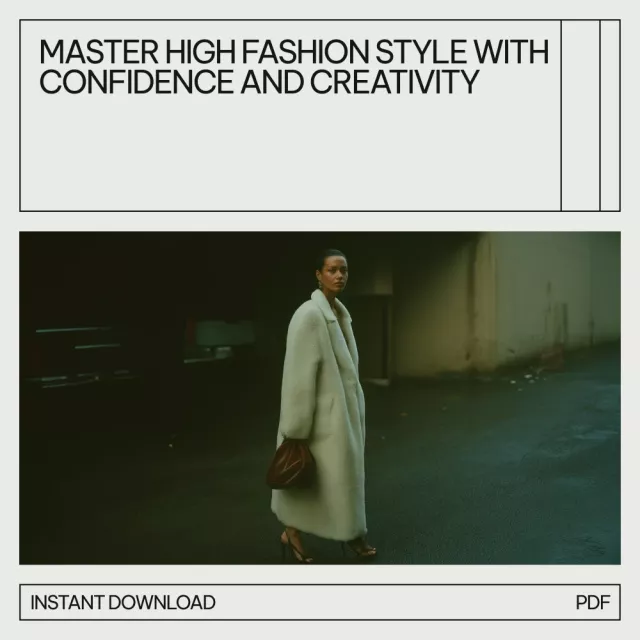
If you want everything organized in one place, explore Timeless High Fashion Techniques and Tips: 3-in-1 Bundle of Guides, eBooks & Checklists and pair it with Plan Your Perfect Year-Round Wardrobe | Seasonal Wardrobe Checklist & Closet Planning Guide for an easy seasonal reset.
Start with fit (especially shoulders and hems), controlled proportion (one focal volume at a time), and a cohesive color palette. Finish with impeccable details: pressed lines, clean hems, and polished shoes.
Brand names matter less than construction, fit, and styling coherence. Great tailoring, better fabrics, and consistent maintenance can make mid-priced pieces look elevated and intentional.
Checklists create consistent results by turning taste into a routine: outfit formulas, seasonal wardrobe reviews, and reminders for tailoring and care. They also support planned purchases instead of impulse buying.
If you have any questions, here are some useful links:









Leave a comment