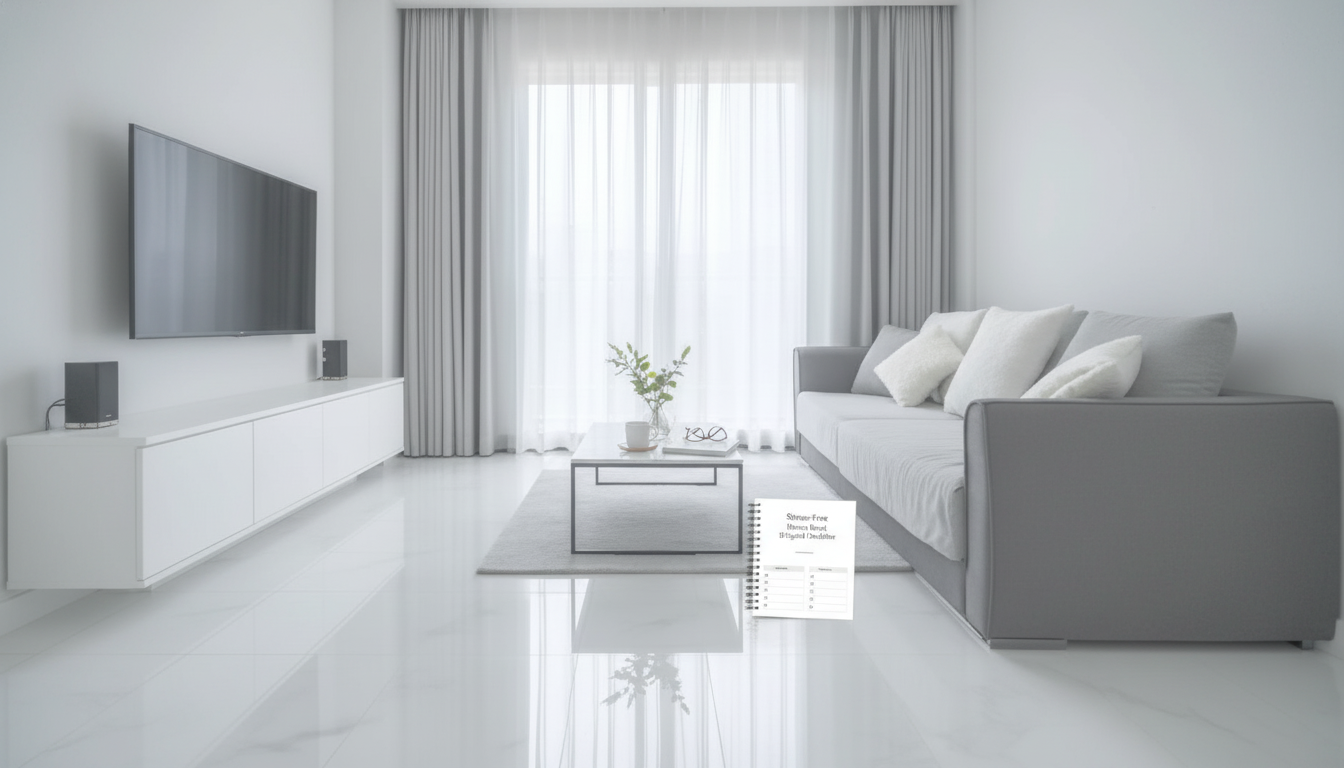
A calm home usually comes from a simple system: quick decisions, clear categories, and small routines that prevent clutter from returning. This home reset plan pairs a printable checklist with a digital decluttering guide so every space—physical and online—feels easier to maintain, even during busy weeks. Since stress can show up in the body and impact focus, a lighter environment can make daily life feel more manageable (see Harvard Health Publishing and the American Psychological Association).
This first step is about fast relief—not perfection. A quick reset creates visible progress, which makes it easier to keep going.
Tip: If you’re short on time, stop when the timer ends—even if it’s not done. Ending on a “cleaner than before” note is how resets become a habit.
Clutter often lingers because the brain has to make too many tiny decisions. Keep the sorting method simple and consistent so you don’t renegotiate the rules every time.
| Category | Keep if… | Let go if… |
|---|---|---|
| Paper | Actionable within 7 days or legally required | Already handled, duplicated, or easily accessible online |
| Clothes | Fits now and was worn in the last season | Uncomfortable, “maybe someday,” or needs repairs you won’t do this month |
| Kitchen tools | Used weekly/monthly and easy to store | Single-purpose and rarely used, or you own multiples |
| Kids’ items | Used daily/weekly and has a defined storage spot | Outgrown, broken, or missing parts |
| Decor | Actively loved and displayed | Stored “just in case” with no clear plan |
Work room-by-room to avoid “shuffle clutter,” where items move around the house without leaving it. Keep a donation bag open while you go.
Digital mess quietly drains attention—extra notifications, overflowing photos, and a chaotic inbox make it harder to follow through on home routines. A short digital reset can reduce that constant “open loop” feeling (see National Institute of Mental Health for practical coping support).
One small win that pays off: when you save manuals and warranty PDFs in a “House” folder, you’ll naturally reduce paper piles and “just in case” drawers.
The easiest checklist is the one you actually see. Set it up where clutter starts, not where you wish it started.
A quick reset can take 30 minutes, while a weekend reset often takes 3–6 hours depending on how much needs to be sorted. Splitting work by room and using timers keeps it moving, and reducing items first makes every step faster.
Start with high-impact zones you see constantly: kitchen counters, the entryway landing zone, and the bathroom sink area. Clearing visual clutter in these spots creates immediate relief and makes it easier to keep going.
Fewer notifications and a cleaner inbox reduce mental noise, which makes it easier to follow through on small home routines. Simple file storage for warranties and manuals also cuts down on paper piles and “where did I put that?” stress.
If you have any questions, here are some useful links:













Leave a comment