
A calmer day rarely comes from one big change—it’s built from small, repeatable actions that lower stress in the moment and reduce overload over time. Use the checklist approach below to create a simple daily rhythm: quick resets for busy hours, steady habits for better mood and focus, and a weekly review to keep it realistic.
Stress often isn’t “one thing.” It’s stacked demands: too many decisions, constant notifications, irregular meals, poor sleep, and little recovery time. When your nervous system stays on high alert, even small problems can feel heavier than they are.
The most effective daily strategies are short, specific, and easy to repeat—especially during busy seasons. Think of support in two layers:
To keep it practical, track what matters: energy level, irritability, sleep quality, and how quickly calm returns after a stress spike. If you want deeper background on how stress affects health and why management matters, the American Psychological Association’s stress resources are a reliable starting point.
These are small actions that create a “nervous system downshift” without needing perfect conditions.
| Situation | Activity | Time | What it supports |
|---|---|---|---|
| Racing thoughts | 5-4-3-2-1 grounding | 1–2 min | Interrupts rumination |
| Body feels tense | Tense-and-release cycles | 2 min | Muscle relaxation |
| Overstimulated | Screen pause + distant gaze | 1–2 min | Nervous system downshift |
| Restless or stuck | Mini-walk | 3–5 min | Mood and energy reset |
| Irritable or foggy | Water + simple snack | 2–5 min | Stabilizes energy |
Mornings set the tone, but they don’t need to be elaborate. A steady start is more about reducing friction than adding tasks.
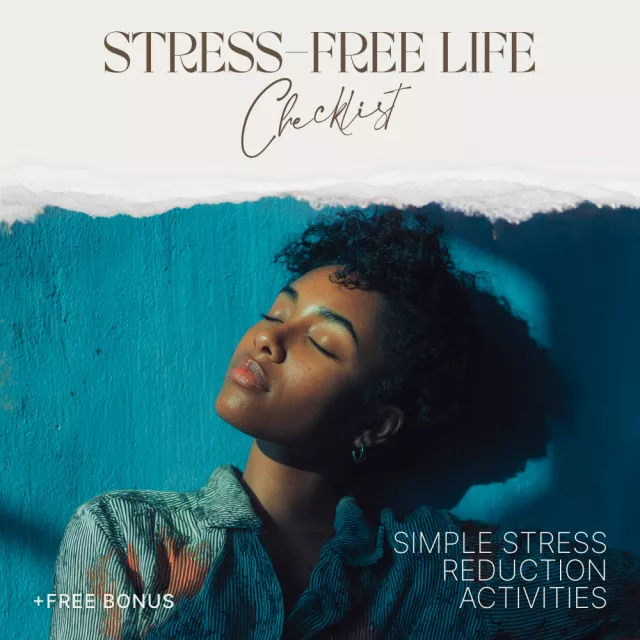
If it helps to have everything laid out in one place, Your Stress-Free Life Checklist is designed to make these steps easy to follow without overthinking.
Midday is where stress tends to compound: meetings, messages, and unfinished tasks pile up. The goal is to protect a few calm “islands” so your brain can recover.
Tracking your recovery can be motivating. If you already use wearables (or want to), a guide like Smartwatch Smarts: Features Worth Every Penny can help you focus on features that support daily routines—like reminders, sleep insights, and activity tracking—without getting lost in specs.
For broader guidance on stress and mental health basics, the CDC’s mental health and stress education page is a helpful reference.
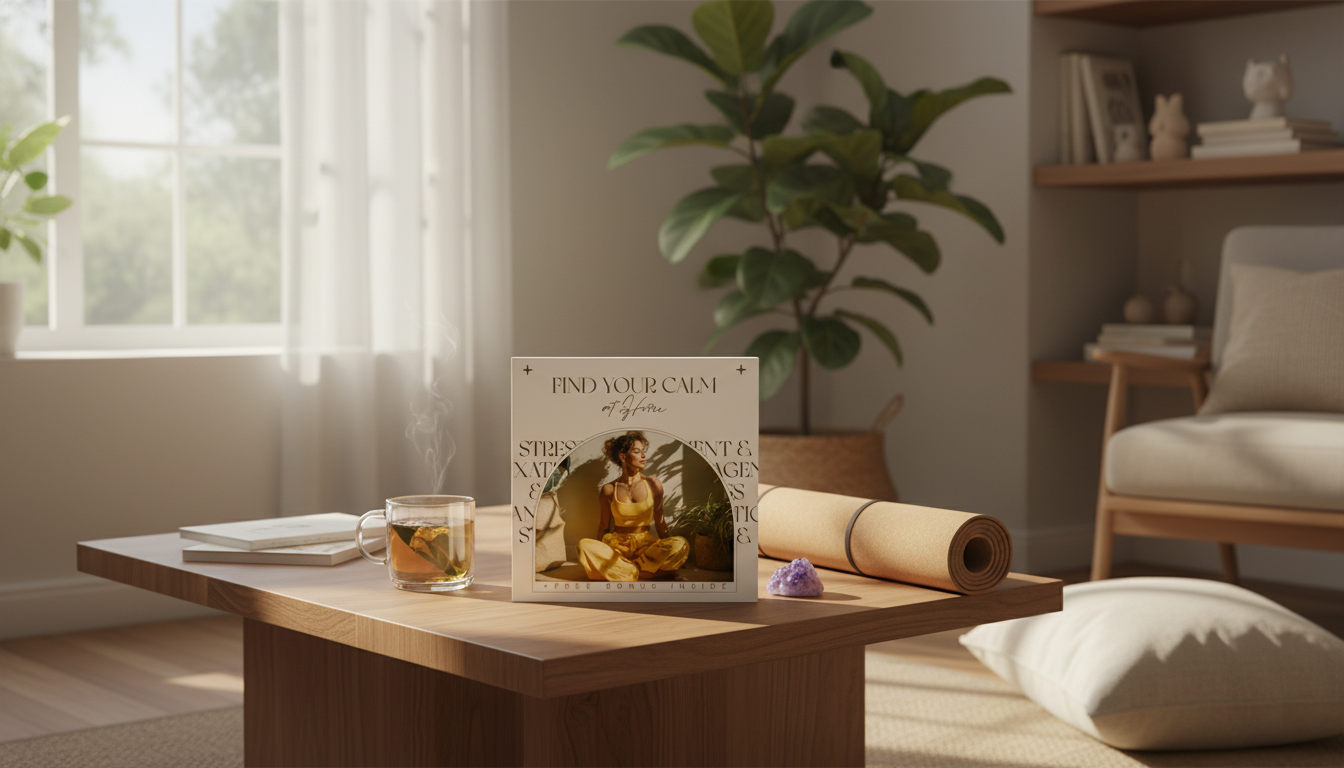
A compact checklist works best when kept visible: on the fridge, desk, nightstand, or inside a planner. For a ready-to-use format, Your Stress-Free Life Checklist is an easy way to keep your daily supports in one place—especially on days when remembering “what helps” is the hardest part.
Start with one action you can repeat even on busy days, like 2 minutes of longer exhales or a 3-minute walk. Consistency matters more than intensity, so pair it with something you already do—morning coffee, brushing your teeth, or getting into your car.
Some tools work immediately (breathing, grounding, a short walk), while sleep quality, mood, and resilience often improve over days to weeks. Track a few simple signals—like irritability, energy, and how quickly you recover after a stressful moment—to spot progress.
Seek professional support if stress is persistent, causes ongoing insomnia, triggers panic symptoms, leads to increased reliance on alcohol or substances, or disrupts work and relationships. If you ever feel unsafe or at risk of harming yourself, seek urgent help immediately by contacting local emergency services or a crisis hotline.
If you have any questions, here are some useful links:











Leave a comment