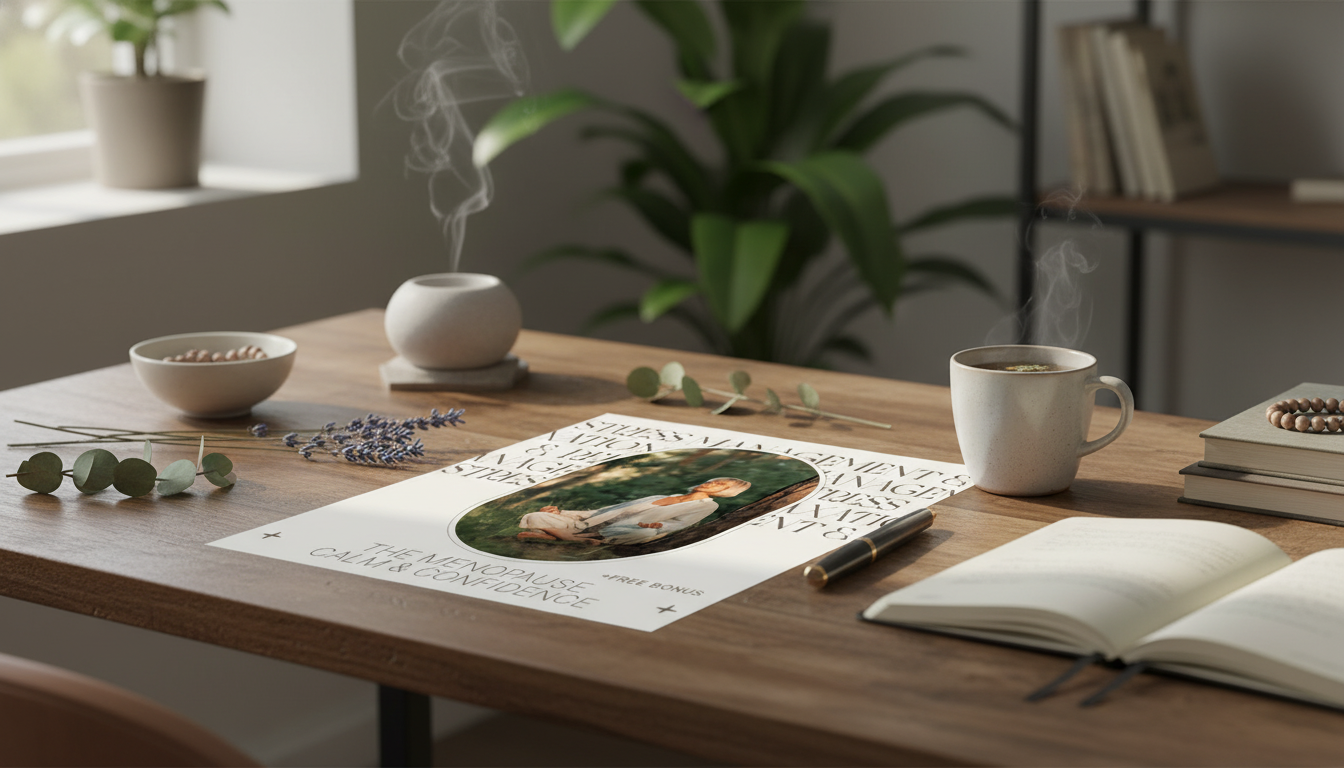
Menopause can make even familiar days feel unpredictable—sleep changes, mood shifts, and mental overload can pile up fast. A calm plan doesn’t need to be complicated; it needs to be repeatable. A printable checklist turns small self-care actions into a steady routine that supports relaxation, confidence, and a sense of control—one checkmark at a time.
When symptoms and energy levels vary day to day, it’s easy to feel like you’re constantly “starting over.” A checklist creates a friendly, low-pressure path forward—especially when stress is high and focus is low.
Instead of relying on motivation, you’re leaning on a routine that’s already been decided. That alone can feel like a relief.
This printable is designed to be practical—something you can actually use when life is loud, your brain feels full, or you’re short on time.
| When to use it | Best for | Example focus |
|---|---|---|
| Morning | Starting steady | Hydration, light movement, intention for the day |
| Midday | Resetting stress | Breathing break, snack, short walk, boundary check |
| Evening | Powering down | Screen cutoff, calming routine, sleep-friendly environment |
| Weekly | Planning ahead | Appointments, meal basics, rest time, support check-ins |
The goal isn’t to do everything. The goal is to do a few supportive things consistently—so your nervous system learns what “steady” feels like again.
If you’re not sure what to choose, start with: drink water, step outside for two minutes, and write down one “next step” that will make tomorrow easier.
Stress relief during menopause works best when it’s realistic. That means it still “counts” on the days when sleep was rough, patience is thin, and motivation is missing.
Helpful background guidance is available from reputable health organizations like ACOG, the North American Menopause Society (NAMS), and the NHS. Pairing trustworthy education with a simple daily routine can make the ups and downs feel more navigable.
Everyone’s menopause experience is different. The checklist works best when it reflects what you actually need right now—rather than what you “should” be doing.
If your environment is adding to your stress load, consider pairing your routine with a simple home reset. A structured resource like Reclaiming Your Home from the Mess Bundle can complement your calm plan by reducing visual clutter and daily friction—so your checklist feels easier to follow.
Printables work best when they’re effortless to access. Set it up once, then let it do the heavy lifting.
If you want a simple starting point, use The Menopause Calm & Confidence Checklist as your baseline, then add one personalized note at the bottom (for example: “If I’m snappy, I probably need food or quiet.”).
It can be used across all stages. Adjust the items you prioritize based on your current symptoms and energy—for example, focusing more on sleep support during perimenopause or stress regulation and consistency during postmenopause.
Choose 1–3 items and treat them as a minimum baseline, not a scorecard. A few checkmarks on a hard day still count as support, and consistency matters more than completing every line.
Yes—this kind of routine pairs well with professional care because it supports daily follow-through and helps you notice patterns. It’s not medical advice, so consult a clinician for persistent, severe, or concerning symptoms.
If you have any questions, here are some useful links:














Leave a comment