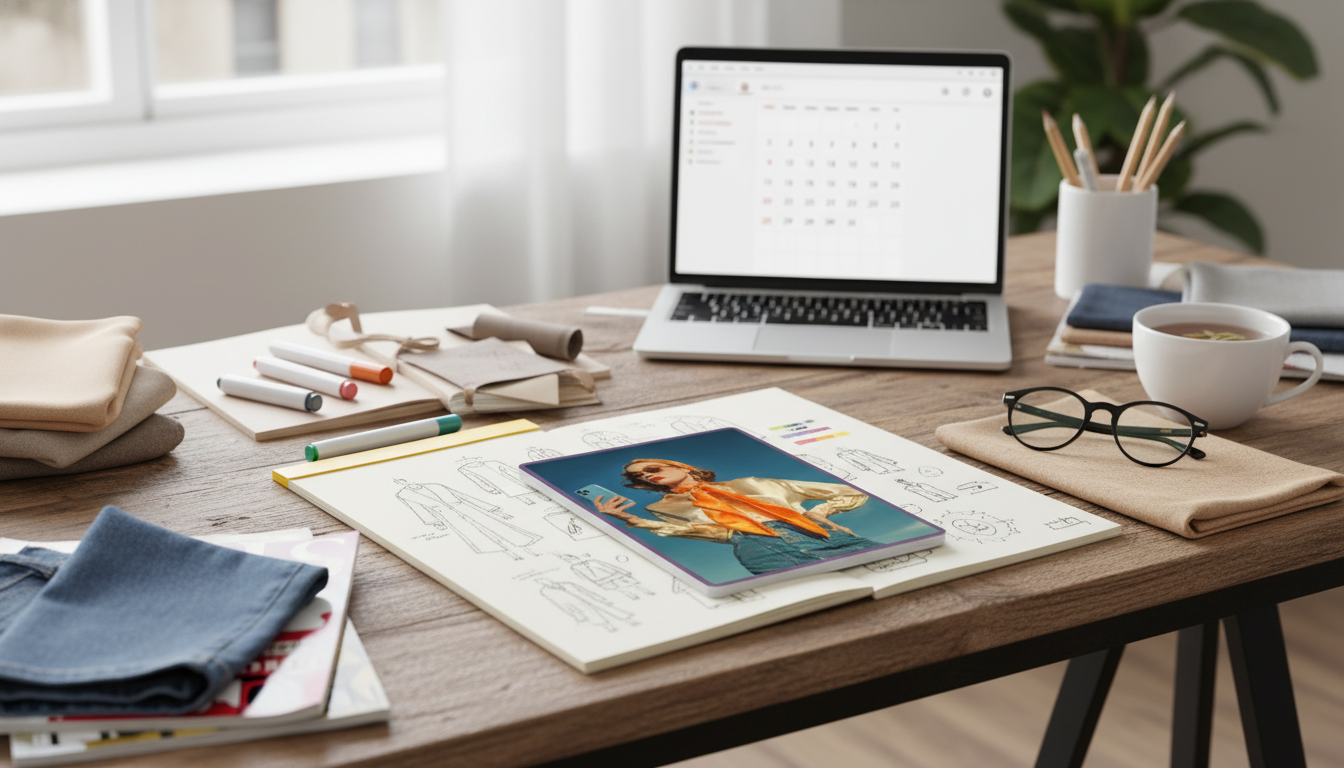
Outfit planning gets easier when the process matches real life: the day’s schedule, the setting, the weather, and how it needs to feel on your body. The goal isn’t to “have more clothes”—it’s to make faster, better decisions with what you already own. Use the steps below for workdays, weekends, travel, events, and last-minute plans, then repeat the system whenever life changes.
Before you open your closet, get clear on what the day requires. A good outfit is less about trends and more about solving practical needs without sacrificing your personal style.
For weather, check a reliable forecast first so you’re not building an outfit around a temperature that changes by noon. The NOAA is a solid starting point when you need quick, practical weather info.
An “anchor” is the first piece you choose on purpose. It narrows your options and prevents the spiral of trying on five outfits that all feel almost-right.
| Anchor | Best for | Pairing shortcut |
|---|---|---|
| Blazer or tailored jacket | Meetings, presentations, dinners | Keep the base simple: tee/tank + straight pants or jeans |
| Great-fit jeans | Errands, casual workdays, travel | Add one polished element: loafer, belt, or crisp button-down |
| One-and-done dress | Events, warm weather, quick styling | Layer for versatility: cardigan, denim jacket, or tights + boot |
| Statement shoe | Basic outfits that need interest | Echo the shoe color once (bag, belt, or jewelry) |
| Matching set | Busy days, minimal decision-making | Vary texture with outerwear; change the shoe to change the vibe |
Instead of reinventing the wheel every morning, set up a few outfit “formulas” that match your real calendar. Think of them as templates you can swap colors and pieces into.
A simple way to make formulas stick: name them after your actual life (“Office + commute,” “Kid pickup,” “Airport,” “Dinner at 7”) instead of vague labels like “casual.”
Color is one of the fastest ways to look intentional—without buying anything new. The key is limiting your choices so most items naturally work together.
If you want a deeper refresher on how color works (and why some combinations feel “loud” while others feel calm), the basic principles overview from Britannica is a helpful, non-trendy reference.
One practical habit: glance at care labels when you’re choosing between two similar tops. If one is high-maintenance on a high-stress day, it’s not the smarter pick. For consumer basics around clothing and textiles, the Consumer Financial Protection Bureau can be a starting point for general guidance.
If a watch is part of your everyday uniform, a feature-focused guide can help you pick one that supports your routine (timers, notifications, fitness tracking) while still looking intentional: Smartwatch Smarts: Features Worth Every Penny | Smart Buying Guide to Smartwatch Features Worth Paying For | Digital eBook Download.
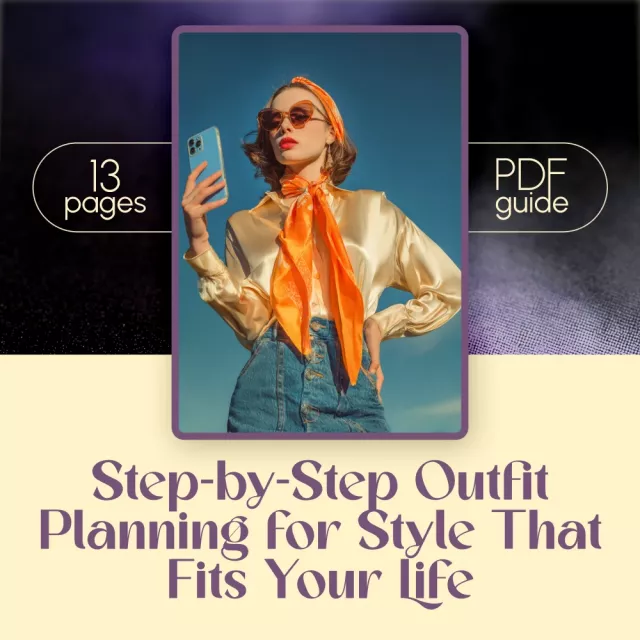
Step-by-Step Outfit Planning for Style That Fits Your Life | Digital Guide on How to Plan an Outfit for Every Occasion is a digital download designed to help you plan faster, repeat what works, and avoid outfit regret—without buying a whole new wardrobe.
The sweet spot is the night before for most days, plus a quick weekly glance for key events. Anchor your most important days first (meetings, travel, photos), then stay flexible for weather and schedule changes.
Use the one-level-up approach: keep the base comfortable, then elevate with one polished choice like a blazer, structured bag, or refined shoe. Avoid extremes (too casual or too formal) and aim for neat, well-fitting pieces.
Start with a reliable anchor, keep colors coordinated with a simple palette, and prioritize fit and fabric behavior. Add one finishing detail (belt, jewelry, or a great shoe) and save photos of outfits that felt like “you” for easy repeats.
If you have any questions, here are some useful links:











Leave a comment