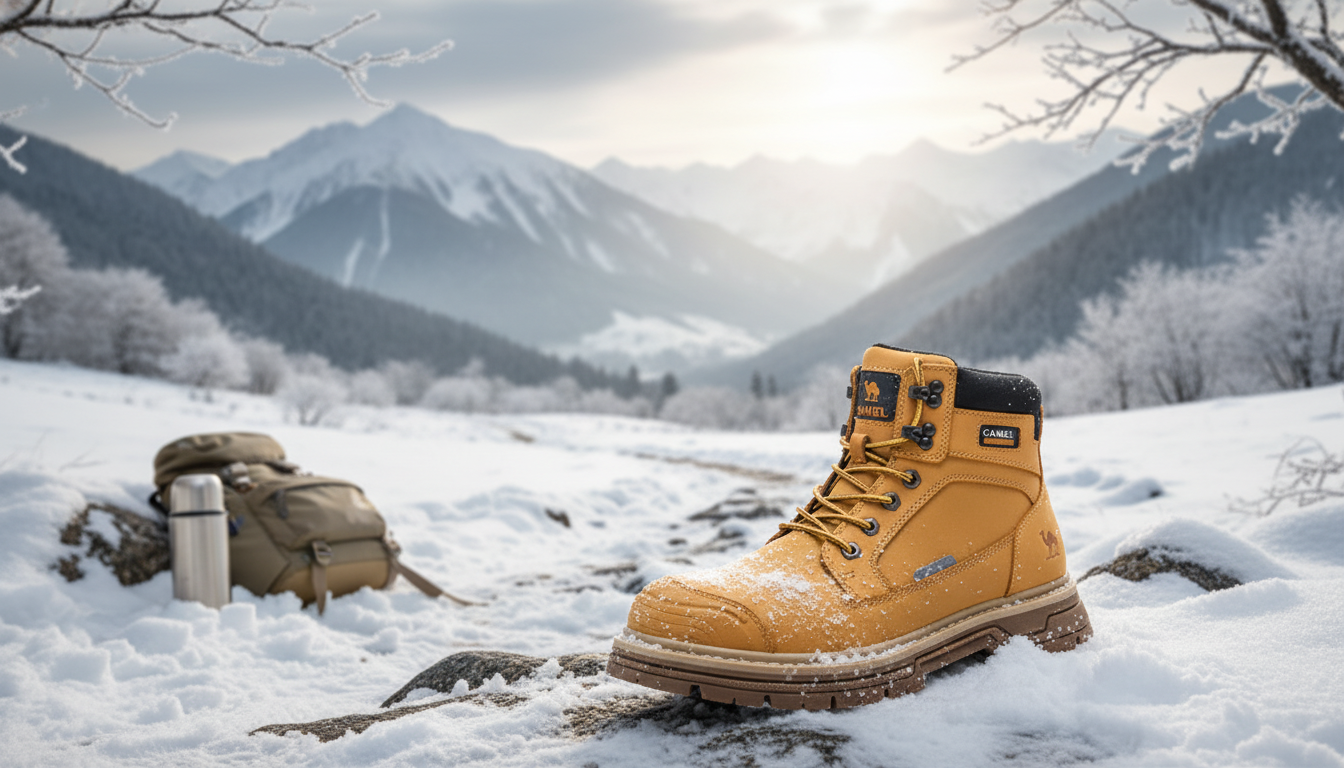
Cold-weather hikes demand footwear that grips slick ground, blocks wind and snow, and stays comfortable for hours. High-top winter hiking boots add ankle support and help keep slush out, while warm linings and rugged outsoles improve confidence on icy sidewalks, packed snow, and uneven terrain. With the right fit and a few smart layering choices, winter boots can feel steady and warm without turning every step into a slog. For more guidance, see 8 Best Men’s Winter Boots of 2026 (Tested & Reviewed).
Winter trails change by the minute: crunchy packed snow in the shade, wet slush near trailheads, and polished ice where boots have glazed the surface. The best men’s winter hiking boots handle that variety by focusing on a few essentials. For further reading, see Best Winter Boots of 2026 | Switchback Tested.
| Situation | Fit/Sock Setup | What to Prioritize |
|---|---|---|
| Short winter walks and errands | Medium-weight wool socks; snug heel | Warm lining, easy lacing, stable outsole |
| Day hikes on packed snow | Wool hiking socks; toe wiggle room | Deep lugs, ankle support, cushioning |
| Slushy trails and thaw/freeze conditions | Wool socks + spare dry pair | Water resistance, fast-drying materials, grippy rubber |
| Cold, windy ridgelines | Thicker socks; avoid tight forefoot | Insulation, wind-blocking upper, heat retention |
| Rocky terrain with patches of ice | Secure midfoot lockdown | Torsional stability, heel grip, dependable traction |
“Non-slip” starts with outsole design, but real-world winter traction is a combination of tread shape, rubber performance in the cold, and how clean the sole stays as conditions shift.
For a broader safety checklist before heading out, the REI Winter Hiking Checklist is a solid reference for traction, layers, and essentials.
Warm feet aren’t just about thick insulation. If circulation is restricted, toes get cold fast—even inside a “warmer” boot. A better approach balances insulation, moisture control, and fit.
Cold exposure is serious business. For quick guidance on recognizing early warning signs, the CDC’s cold weather safety information covers frostbite and hypothermia basics worth reviewing before winter adventures.
For additional cold-weather preparedness tips, the American Hiking Society’s Hike Safe guidance is a practical refresher on planning and staying comfortable when conditions change.
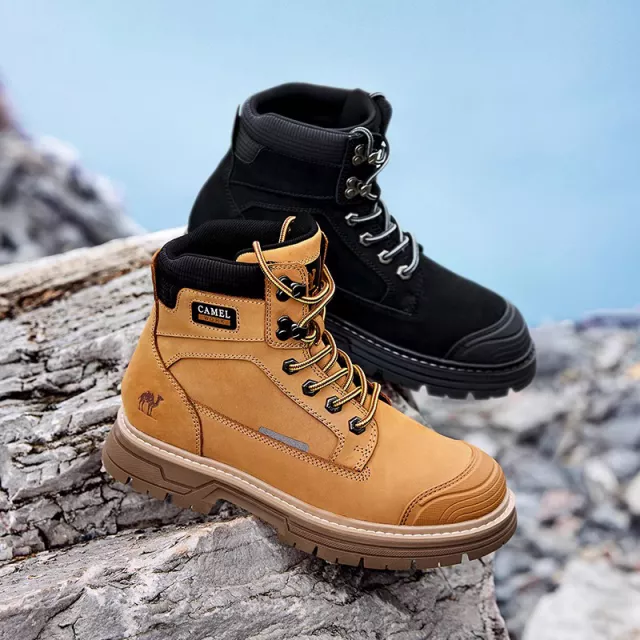
If your winter routes include slick sidewalks, packed trails, and snowy errands, a warm, higher-cut boot can make the day feel steadier and less fatiguing. The Men’s Winter Hiking Boots – Non-Slip, Warm High-Top Snow Boots for Outdoor Comfort are built for winter conditions where grip, warmth, and ankle coverage matter.
| Item | Details |
|---|---|
| Product | Men’s Winter Hiking Boots – Non-Slip, Warm High-Top Snow Boots for Outdoor Comfort |
| Price | 250.95 USD |
| Availability | In stock |
| Store | emanuelo.com |
For hikers who like to track steps, time, and route stats in winter, a lightweight reference on smartwatch features can help narrow down what’s actually useful in cold conditions. See Smartwatch Smarts: Features Worth Every Penny (Digital eBook Download).
Aim for a secure heel and midfoot with enough toe room to wiggle. Thick socks shouldn’t make the forefoot feel cramped—leave space to maintain circulation and warmth.
They help on packed snow and mixed winter surfaces, but glare ice can still be slick. When conditions are icy and steep, traction aids like microspikes provide more dependable bite.
Higher collars can reduce snow entry and improve ankle stability when stepping through uneven footprints, ruts, and soft edges along trails. They can also help the boot feel more secure when the ground is uneven under a thin layer of snow.
If you have any questions, here are some useful links:













Leave a comment