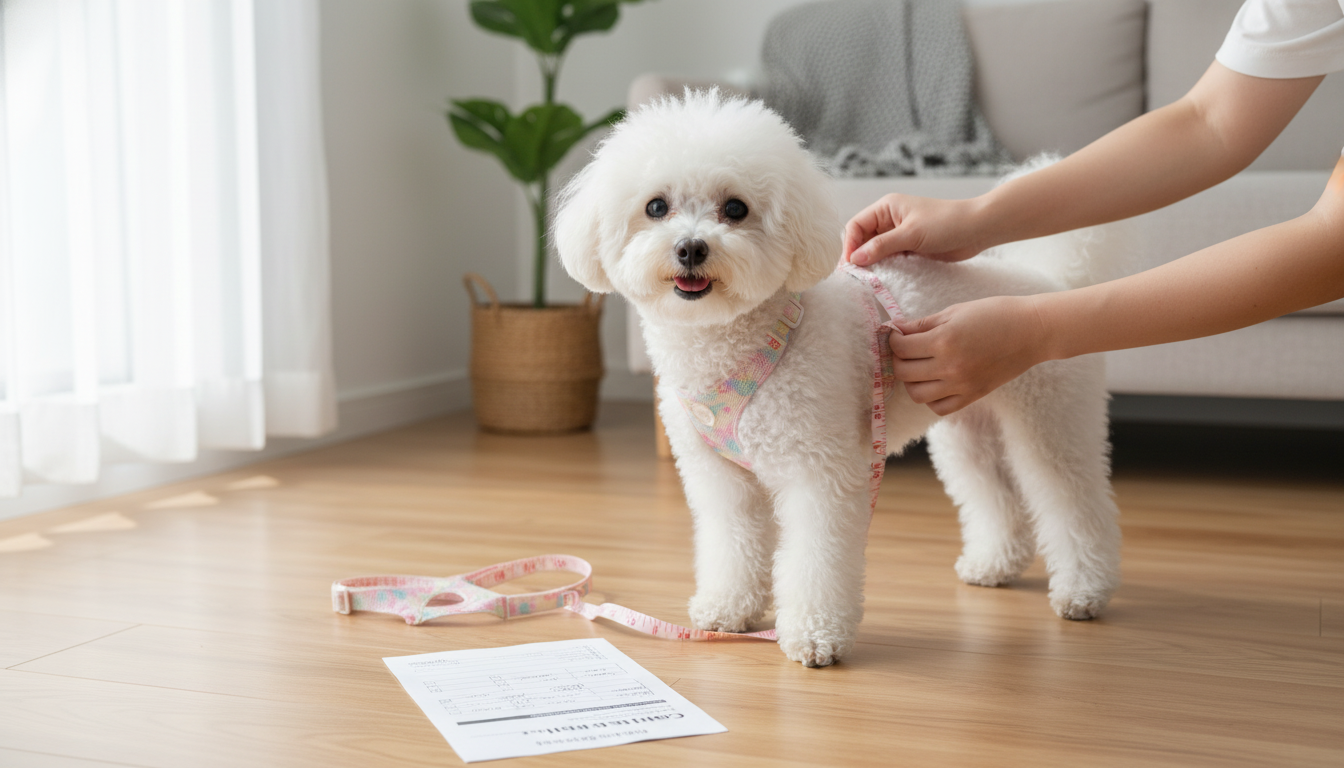
A harness that fits correctly helps keep walks safer and more comfortable—while reducing rubbing, escaping, and pressure in the wrong places. This guide breaks down the exact measurements to take, how to take them, and how to double-check fit once the harness arrives. A printable checklist makes it easy to repeat measurements over time (especially for puppies, freshly groomed coats, or weight changes).
For extra consistency, measure in the same spot each time (same room, same surface) and aim for two quick readings rather than one long wrestling match. If your dog gets wiggly, take a short break and try again—accuracy beats speed.
| Measurement | Where to place the tape | Tips for accuracy | Common issues if mismeasured |
|---|---|---|---|
| Lower neck | Around the base of the neck (not where a collar sits) | Keep tape snug but not tight; avoid measuring too high behind the ears | Too small: tight across shoulders; too big: harness shifts and twists |
| Chest girth | Around the widest part of the ribcage, just behind front legs | Tape should be level all the way around; take 2 readings and average | Too small: pinches armpits; too big: dog can back out |
| Front chest (optional) | Across the front of the chest between shoulder points (varies by brand/style) | Useful for Y-front styles; note brand instructions if provided | Poor alignment: straps sit on soft tissue or slide toward throat |
| Back length reference (optional) | From shoulder blades toward mid-back (not tail base) | Helps confirm top strap won’t sit too far forward/back | Rubbing near shoulders or unstable fit |
If you’re using string, mark the overlap point with your fingers (or a pen) and then measure the string on a ruler. When measuring a squirmy pup, it can help to have a second person offer treats at nose level while you keep the tape in position.
After the first few walks, re-check strap tension. New harness webbing can “settle” slightly, and a quick adjustment can prevent rubbing before it becomes a sore spot. For general safety and handling guidance, see resources from American Kennel Club (AKC) and ASPCA.
If your dog is sensitive about handling, keep sessions short and pair the tape with calm praise and treats. For additional handling tips, VCA Animal Hospitals offers helpful general dog care information.
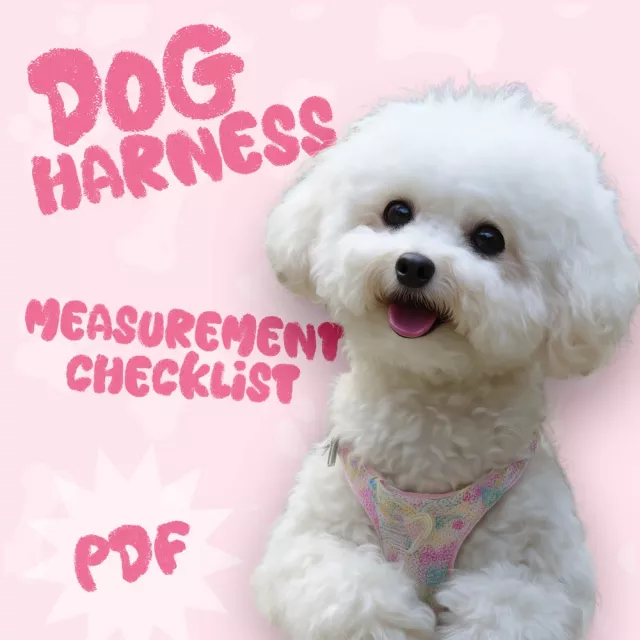
If you want a repeatable routine you can use anytime, the Dog Harness Measurement Checklist printable download collects the key measurements, a quick measuring order, and space for notes like coat thickness or “between sizes.” It’s especially useful for multi-dog households, growing puppies, and anyone switching harness styles.
For other common behavior and comfort issues that can affect walking routines and nighttime rest, the Nighttime barking guide for calmer evenings can help you build a steadier schedule—so harness training and daily walks feel more predictable.
A harness should be snug and stable without restricting breathing or shoulder movement; the two-finger guideline under most straps is a reliable starting point. Check that the strap behind the front legs doesn’t rub the armpits, and confirm the harness doesn’t twist or slide when your dog changes direction.
Usually no—most harnesses sit lower than a collar, closer to the base of the neck near the shoulders. Measuring too high (like a collar) can lead to a harness that presses the throat or shifts backward and loses stability.
Prioritize the chest girth and choose the size that safely fits the chest while still allowing adjustment down. Factor in coat thickness and body shape, then do a short indoor fit test to confirm armpit clearance, no twisting, and an escape-resistant fit.
If you have any questions, here are some useful links:











Leave a comment