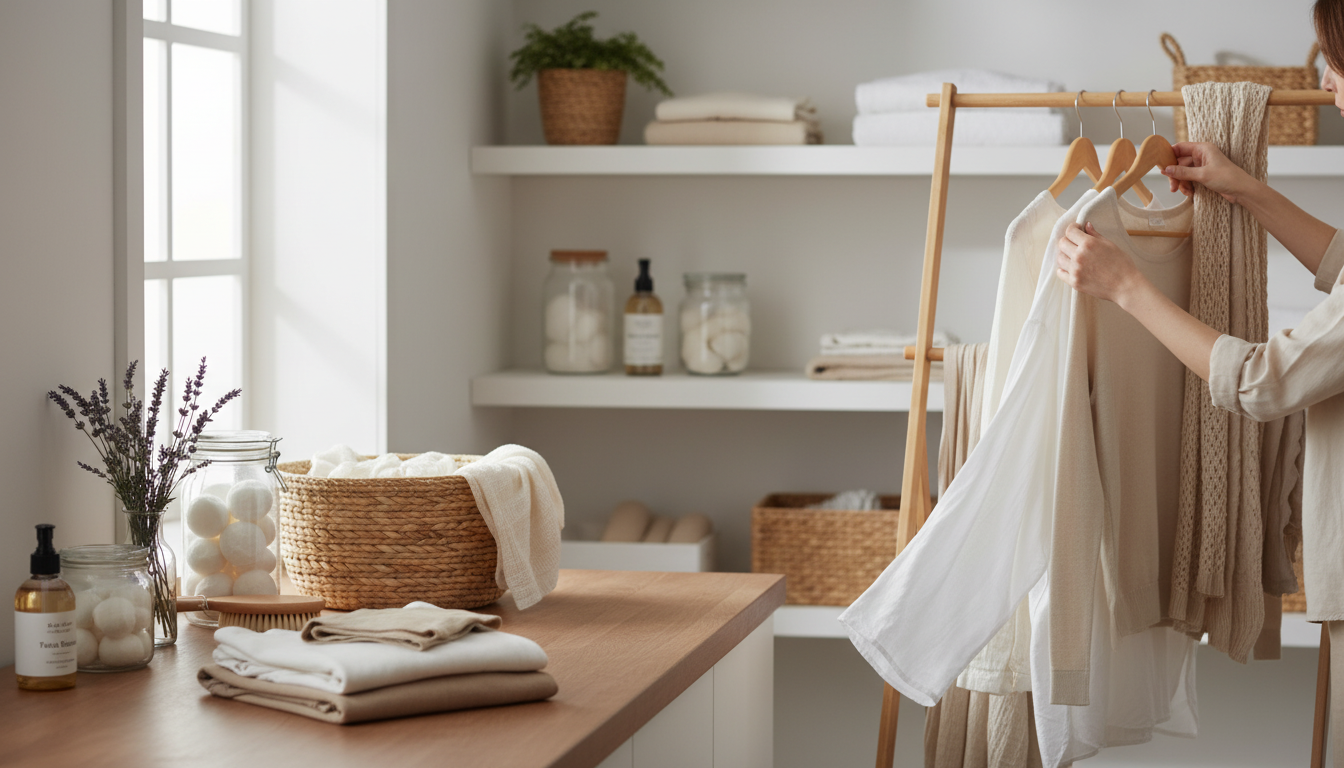
Clothes last longer when daily habits match the fabric’s needs: less friction, gentler washing, smarter drying, and simple repairs done early. The goal isn’t “babying” everything—it’s building a few routines that keep colors bright, seams strong, and favorite items holding their shape through many wears.
Think of the care label as the maximum a garment can tolerate. When you can, choose an even gentler option—cooler water, lower spin, and air-drying—to reduce wear. If the label is missing, default to cold wash, gentle cycle, mild detergent, and line dry, then test any stain treatment on an inside seam.
Fabric matters because each type fails differently: cotton can shrink and fade, wool can felt, synthetics can trap odors and pill, and elastane (spandex) can break down with heat. Also treat trims as part of the garment—zippers and hooks snag, prints and embellishments crack with high heat, and buttons loosen with aggressive agitation.
| Fabric | Wash | Dry | Watch out for |
|---|---|---|---|
| Cotton (tees, denim) | Cold to warm; turn inside out | Low heat or air-dry | Fading, shrinking, abrasion at thighs/knees |
| Wool (sweaters) | Cold; wool-safe detergent; minimal agitation | Flat dry | Felting, stretching on hangers, moths |
| Silk (blouses) | Cold; gentle; mesh bag | Air-dry away from sun | Water spots, weakened fibers from harsh detergents |
| Synthetics (poly/nylon) | Cold; avoid heavy detergent | Low heat; avoid overdrying | Heat damage, odor buildup, pilling |
| Activewear (with elastane) | Cold; gentle; no fabric softener | Air-dry preferred | Elastic breakdown from heat/softeners |
Frequent washing is one of the fastest ways to age a wardrobe. Instead, spot-clean small marks quickly; a damp cloth plus a drop of mild soap often prevents a full wash. Between wears, air garments out for 20–60 minutes on a hanger (lay knits flat) to let moisture evaporate and odors dissipate.
Simple “barrier” habits help, too: undershirts, slip shorts, or sweat guards reduce sweat and deodorant transfer onto outer layers. Rotate shoes and outerwear so materials fully dry—lingering moisture drives odor and weakens fibers. For denim, sweaters, and structured pieces, wash by need (visible dirt, lingering odor, spills), not by habit.
Sorting only by color is a missed opportunity. Separate heavy or abrasive items (jeans, towels, canvas) from delicate knits and synthetics to reduce friction. Before washing, close zippers, fasten hooks, and turn garments inside out to limit snagging and surface wear on the “good side” of the fabric.
Mesh bags are a quiet hero for longevity: use them for lingerie, knitwear, straps, and embellished items so they don’t wrap, stretch, or scrape against heavier pieces. Avoid overloading the machine—clothes need room to move so detergent can rinse out and seams aren’t stressed. Finally, choose the gentlest cycle that still cleans; high agitation and high spin accelerate stretching, pilling, and seam fatigue.
More detergent isn’t better. Use the smallest effective dose; residue can trap odors and make fibers feel stiff over time. Cold water is the default for longevity because it reduces dye loss, shrink risk, and elastic stress—while modern detergents still perform well for most everyday loads.
Fabric softener is a frequent culprit for “mystery smells,” especially in towels, activewear, and stretch fabrics. It can coat fibers, reduce absorbency, and hold onto body oils. For brightening and odor control, oxygen bleach (color-safe) is a versatile option; reserve chlorine bleach for whites only and occasional use since it can weaken fibers. If hard water is an issue, a water-softening booster can improve cleaning and reduce mineral buildup that dulls fabric over time.
Air-drying is the lowest-wear option and preserves elasticity, prints, and fiber strength. If a dryer is necessary, prioritize low heat and shorter cycles, then remove items slightly damp to finish air-drying. Overdrying is where most dryer damage happens: excess heat increases shrink, weakens elastane, and can make cotton fibers brittle.
Reshape garments while damp—smooth collars, align seams, and lay knits flat so they dry to the right silhouette instead of stretching. Dryer balls can help reduce dry time and friction, which is especially helpful for pilling-prone fabrics.
If you want a step-by-step reference you can keep on hand, Wardrobe Wisdom: Make Clothes Last Longer – A Practical Guide on how to care for clothes so they last longer pairs well with an organized closet plan like Plan Your Perfect Year-Round Wardrobe | Seasonal Wardrobe Checklist & Closet Planning Guide | Digital Download.
For additional guidance on care labels and best-practice laundry habits, see the Federal Trade Commission (FTC) Care Labeling Rule, the American Cleaning Institute’s laundry basics, and Woolmark’s wool care guidance.
Jeans often go several wears (commonly 5–10+) between washes if they’re aired out and spot-cleaned, while sweaters may go 3–7 wears depending on layers and activity. Wash sooner for visible dirt, spills, or persistent odor.
Yes—modern detergents are designed to work effectively in cold water for typical loads, and cold helps reduce fading, shrinkage, and elastic wear. Warm or hot water can be useful for heavy soil, illness, or certain whites when fabric care instructions allow it.
Reduce friction: sort by weight, turn items inside out, use mesh bags, and choose gentle cycles with lower spin. Avoid overdrying, and remove existing pills carefully with a fabric shaver using light pressure.
If you have any questions, here are some useful links:










Leave a comment