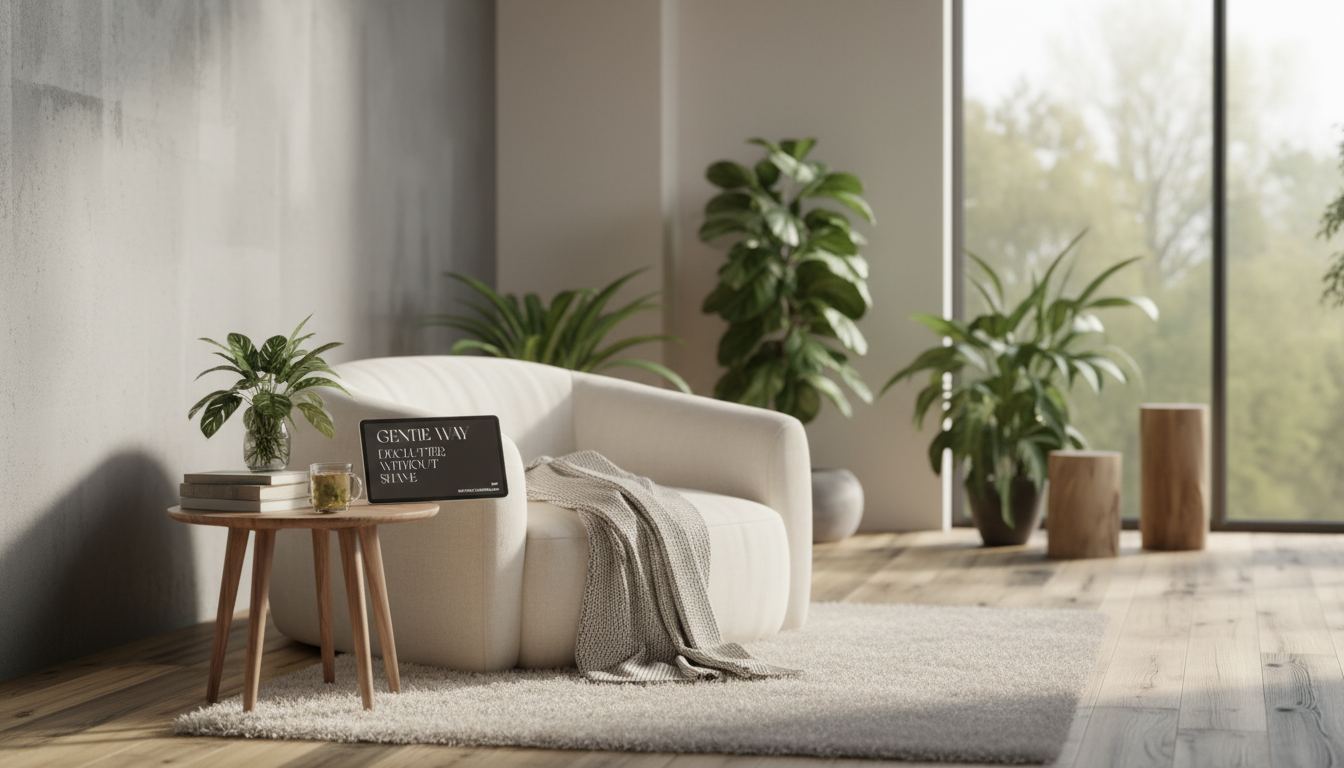
Clutter can feel less like “stuff” and more like a story: grief, burnout, decision fatigue, perfectionism, or the fear of wasting money. When that’s true, a harsh “just get rid of it” approach can backfire—because it adds pressure on top of pressure. A gentle approach focuses on reducing overwhelm and rebuilding self-trust, so progress feels safe, sustainable, and kind.
Guilt often shows up when there’s a gap between expectations and reality: “I should have handled this already.” But clutter isn’t always a character flaw—it’s frequently a sign that you’ve been coping, surviving, or carrying too much for too long.
Many items hold emotional weight: identity (“this is who I used to be”), memories (“this reminds me of them”), aspirational selves (“I’ll wear this when…”), or survival habits from harder times (“what if I can’t afford it later?”). When shame enters the room, it tends to freeze action. Self-compassion, on the other hand, supports consistent, small decisions—especially on low-energy days. The American Psychological Association highlights self-compassion as a healthier alternative to self-criticism for motivation and well-being (APA — Self-Compassion).
Instead of treating decluttering like a one-time purge, it can work better as a skills practice: decision-making, boundaries, grieving, and letting “good enough” be enough.
If the whole home feels impossible, start smaller—small enough that your nervous system doesn’t interpret it as a threat.
This approach turns decluttering into a repeatable ritual instead of a dramatic event. It also reduces stress load, which matters because chronic stress makes decisions harder (Mayo Clinic — Stress management).
Some categories—keepsakes, “expensive mistakes,” gifts, and backup items—need a softer filter than “Do I love it?” Try questions that honor why the item stayed, while still creating a path forward.
Ask: “What job is this item doing for me?” Comfort, memory, a backup plan, a piece of identity, or proof you tried. When you know the job, you can choose a different way to meet the need (a photo, a note, a boundary, a replacement plan) without keeping every object.
| Stuck moment | Gentle question | Next tiny step |
|---|---|---|
| “I spent money on this.” | “Did it teach something or serve a season of life?” | Thank it, then put it in the donation/rehome box. |
| “It was a gift.” | “Am I keeping the relationship—or the object?” | Keep a photo or one small token; rehome the rest. |
| “I might need it someday.” | “How likely, and how replaceable is it?” | Set a 30–90 day ‘maybe’ bin with a review date. |
| “It holds memories.” | “Can the memory live elsewhere?” | Create a single memory box with a firm size limit. |
| “I don’t have energy for this.” | “What’s the smallest win that supports future me?” | Clear one surface and stop; schedule the next 10 minutes. |
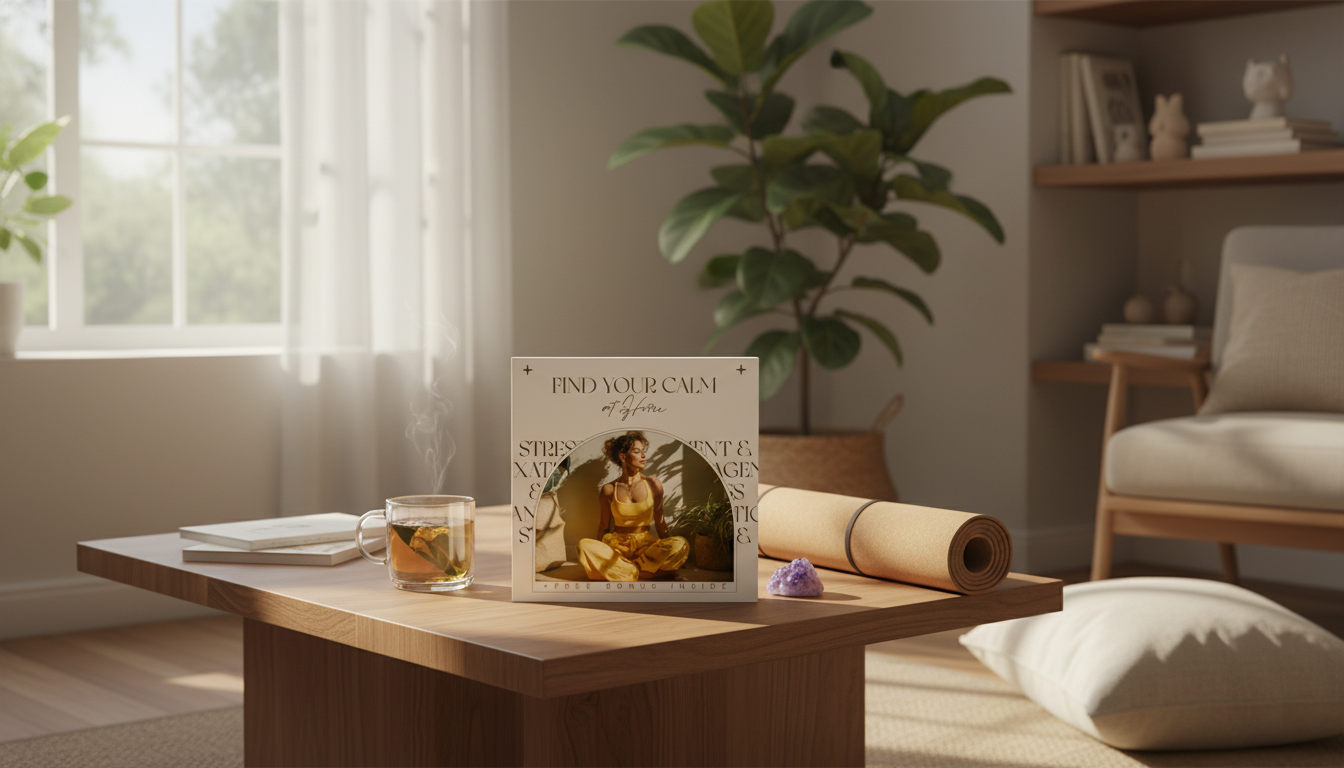
If a gentle, emotions-first approach sounds right, consider The Gentle Way to Declutter Without Shame | Digital Guide for Emotional Healing, Self-Compassion & How to Stop Feeling Guilty About Clutter.
For clutter hotspots that tend to return (like closets), a simple plan can reduce the “nothing to wear” spiral while keeping what fits your real life: Plan Your Perfect Year-Round Wardrobe | Seasonal Wardrobe Checklist & Closet Planning Guide | Digital Download.
And for days when self-talk turns sharp, a calming mindset tool can support follow-through without force: Think Happy: Affirmations Pack – Affirmations for Positive Thinking Bundle | 5-in-1 Digital Download for Mindset, Calm & Daily Motivation.
Use a tiny time limit (like 10 minutes), neutral categories (keep/rehome/recycle/trash), and a compassionate script that treats guilt as a signal—not a command. Focus on completing one micro-area rather than fixing the whole home at once.
Acknowledge the sunk cost, then choose a responsible exit route you can actually follow through on—donation, gifting, or resale if it’s realistic. Keeping only what fits your current life protects your space and reduces future stress.
Set a container boundary (like one memory box), keep a representative piece, photograph the rest, and write a short note about what the item meant. That way you preserve meaning while lowering the volume you have to store and manage.
If you have any questions, here are some useful links:









Leave a comment