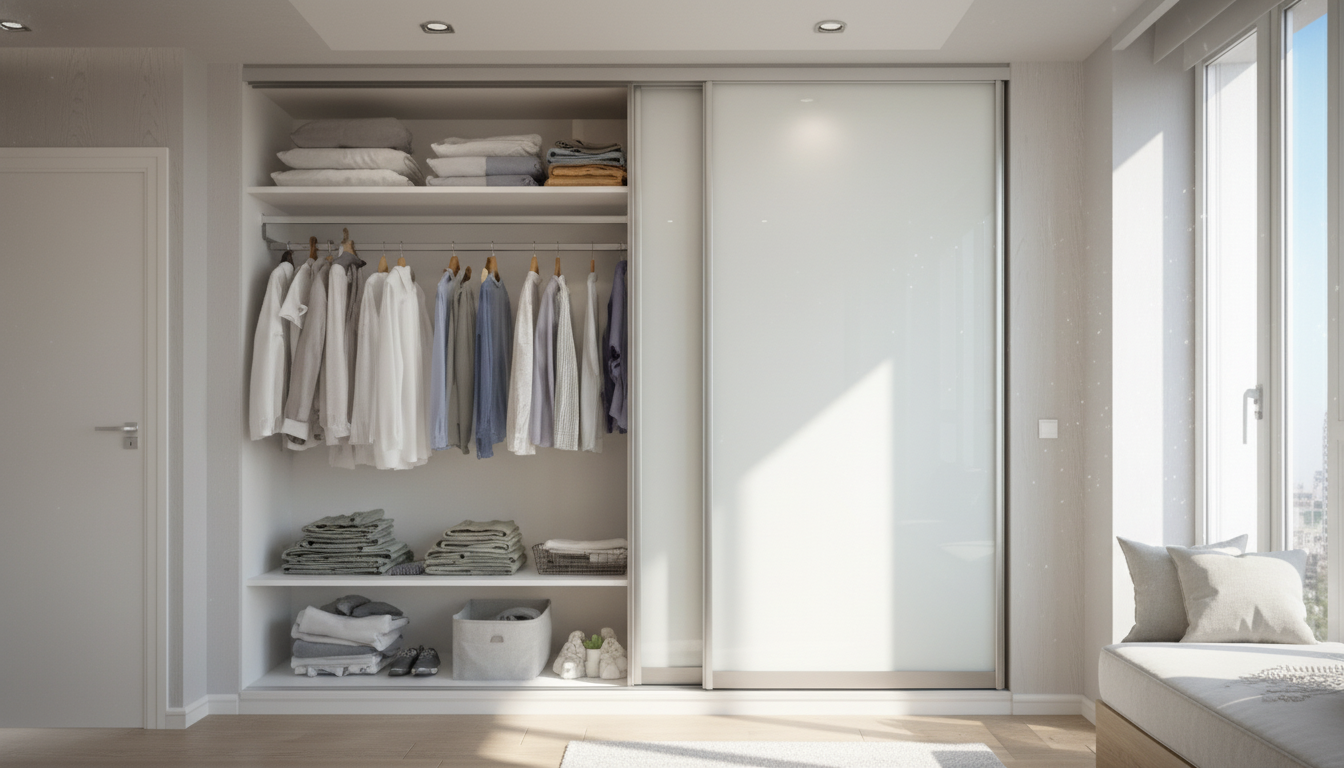
A closet can feel peaceful and functional when every item has a purpose, a home, and enough breathing room. The goal isn’t perfection—it’s a simple, stylish setup that makes getting dressed easy and putting things away even easier. Below is a minimalist approach you can start today, built around quick resets, clear zones, and small habits that keep clutter from creeping back in.
If the idea of “take everything out” makes you avoid the project entirely, skip it. A short, focused reset builds momentum without turning your day upside down.
This approach prevents the common trap: a half-empty closet exploding into the bedroom and staying there for days.
Most closets don’t fail because of a lack of containers—they fail because the layout doesn’t match real life. Closet Zen is about designing for how you actually move through your week.
| Closet Area | Best For | Setup Tip |
|---|---|---|
| Eye level (front) | Daily outfits, most-worn tops | Use matching slim hangers; leave 10–20% empty space |
| Upper shelf | Bags, seasonal bins, backups | Label bins by season or category; avoid open piles |
| Lower shelf/floor | Shoes, hampers, bulky knits | Use a shoe rack; keep a single laundry landing zone |
| Drawer/bin section | Underwear, socks, tees, accessories | Use small dividers; fold to stand items upright |
Minimalism doesn’t have to be intense. The easiest way to declutter is to make decisions based on today’s life—not an imagined future.
When donating, check local guidelines so items can actually be accepted. Goodwill’s donation tips can help you avoid common “wish-cycling” mistakes: Goodwill Donation Guidelines. For textile waste context and why responsible release matters, see: EPA textiles data.
You don’t need a custom closet to get a calm look. A few strategic upgrades reduce visual noise and make the one-touch rule easier.
A closet system should flex with the room you have, not fight it.
If you want a guided process you can repeat each season, Closet Zen digital guide is designed for simple decision-making, streamlined zones, and a minimalist approach that still looks stylish. It works for quick wins (micro-zones) and also scales up when you have time for a full reset.
For a whole-home approach that pairs well with closet organization, Reclaiming Your Home from the Mess Bundle adds checklists and routines that help reduce clutter across multiple rooms—useful when your closet keeps filling up because the rest of the house has no landing zones.
Start with one micro-zone for 20 minutes, use a Keep/Store/Release/Decide-Later sort, and restore usability before moving on. Small, finished sections build momentum and prevent a bigger mess.
Create breathing room by removing duplicates and rarely worn items first, then move seasonal pieces out of prime eye-level space. Cap each zone so it can’t overflow—limits make decisions simpler.
Keep a light daily reset, a short weekly tidy, and a monthly review of the Decide Later bin. When a zone is full, follow a one-in/one-out rule so the closet can’t quietly drift back into clutter.
If you have any questions, here are some useful links:













Leave a comment