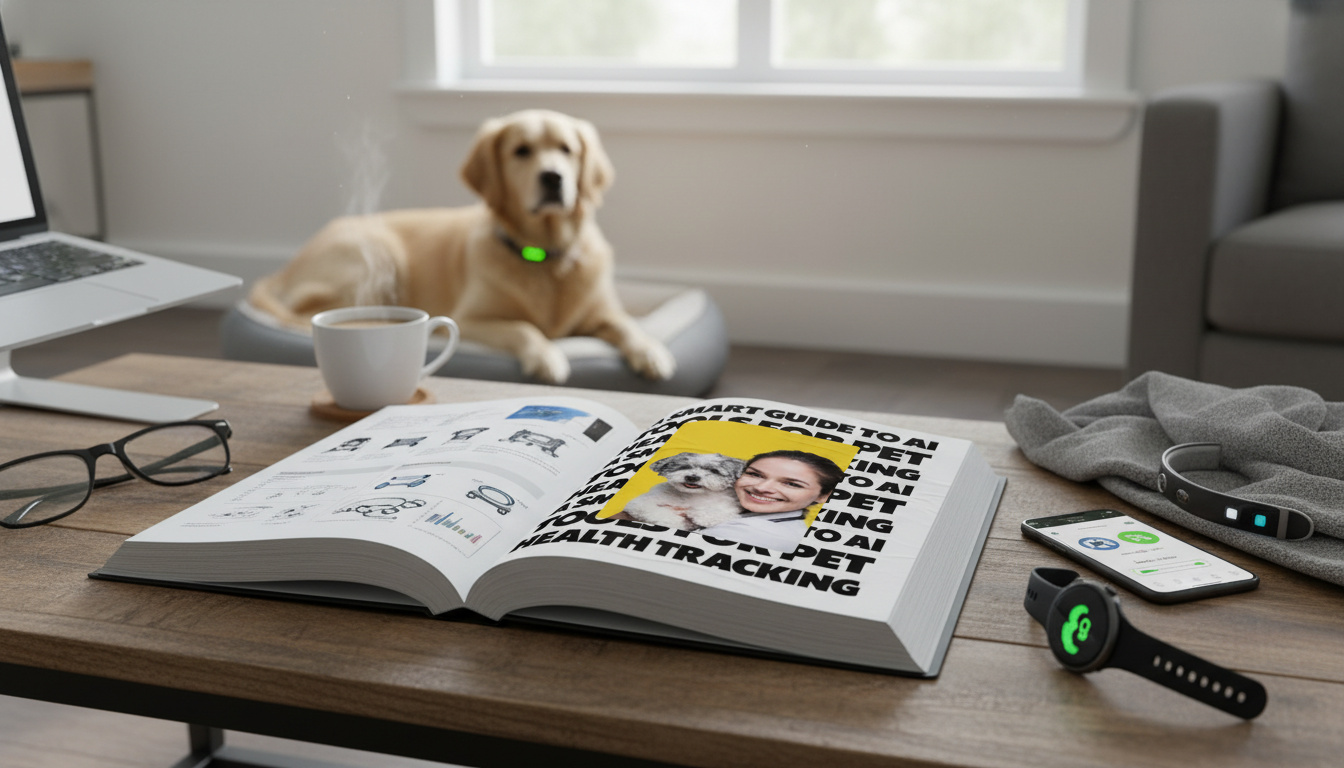
AI-powered pet wearables and health apps can turn everyday behavior—activity, rest, scratching, licking, eating patterns, and location—into signals that help spot changes earlier. The key is choosing tools that match a pet’s lifestyle and a caregiver’s routine, then setting baselines and alerts that are meaningful (not noisy). A Smart Guide to AI Tools for Pet Health Tracking is a practical ebook focused on how to compare devices and apps, interpret common metrics, and build a simple monitoring workflow that supports better conversations with a veterinarian.
The biggest advantage of AI-assisted monitoring is consistency. Devices can capture small shifts that are easy to miss in a busy week—reduced activity, disrupted sleep, increased licking/scratching, changes in routine, or unusual restlessness—then surface those shifts as simple trends or alerts.
Most trackers combine sensor streams (commonly accelerometers, GPS, and sometimes skin temperature or algorithmic heart/respiratory estimates) and use pattern recognition to summarize “normal” versus “different.” Over time, this can support preventive care by filling the gaps between vet visits and by documenting what happens after medication changes, diet swaps, or recovery from surgery.
Limits matter, too. Consumer wearables are not a diagnosis. Metrics vary by brand and algorithm, and alerts always require context: age, breed, coat, weather, recent exercise, anxiety, travel, household changes, grooming, or even fireworks. The best use is a consistent routine that creates a baseline, plus veterinary guidance when changes persist or are paired with clinical symptoms. For general pet health guidance and owner education, reputable resources include the American Veterinary Medical Association (AVMA) Pet Owner Resources and AAHA’s pet health articles.
Wearables usually estimate activity and rest, and some offer additional signals like “itch/lick” detection or derived cardio-respiratory metrics. GPS and geofencing can be a lifesaver for escape-prone pets or dogs that hike off-leash.
Smart feeders and water fountains can help track appetite and hydration patterns; litter box monitors (for cats) can spotlight changes in frequency. Cameras can tag behaviors like pacing, barking, or separation stress—especially useful when a pet seems “fine” when people are home.
Symptom journals, medication reminders, nutrition logs, photo-based skin tracking, and visit-ready reports are often the difference between “something feels off” and a clear, shareable timeline. Integration matters: fewer apps, and clean exports (PDF/CSV), make it easier to share meaningful summaries with a clinic.
It’s tempting to monitor everything, but the fastest way to burn out is alert overload. Start with a small set that matches the concern.
For broader animal health literacy and how to interpret common health information, the FDA Center for Veterinary Medicine is another authoritative reference point.
| Step | What to set | Why it matters |
|---|---|---|
| Baseline period | 7–14 days of normal routine | Establishes each pet’s personal normal |
| Primary alerts | Activity + rest + one behavior metric (itch/lick or feeding) | Reduces alert fatigue |
| Context notes | Weather, travel, visitors, diet changes | Explains false positives and real shifts |
| Shareable report | Weekly summary + symptom timeline | Improves vet conversations and follow-up |
| Need | Look for | Watch out for |
|---|---|---|
| Escape-prone pet | Reliable GPS + geofence alerts | Weak coverage areas; frequent charging |
| Senior dog or recovery | Consistent rest/activity trends; easy notes | Overly “smart” scores with unclear meaning |
| Allergies/itch focus | Lick/scratch detection + trend views | False triggers from grooming or play |
| Multi-pet household | Multi-profile dashboard; separate baselines | Shared devices or mixed data streams |
| Vet collaboration | Exports (PDF/CSV), clear timelines | Locked-in data with no share options |
They’re most reliable for trends and early signals, not for diagnosing a condition. Accuracy and definitions vary by device, so use the data to notice changes from your pet’s baseline and confirm concerns with symptoms and veterinary advice.
Start with activity plus rest/sleep, then add one targeted metric (itch/lick or appetite/water). Establish a 7–14 day baseline and document context (weather, visitors, diet changes) and any symptoms so patterns are easier to interpret.
If an alert happens alongside red flags like breathing difficulty, collapse, inability to urinate, repeated vomiting, or severe lethargy, contact a veterinarian or urgent care right away regardless of what the device says.
If you have any questions, here are some useful links:














Leave a comment