Find Your Calm at Home: Simple Ways to Relax, Build Peaceful Routines, and Create a Stress‑Free Sanctuary
A calm home isn’t about having a perfect space—it’s about creating small, repeatable moments that tell the nervous system it’s safe to soften. With a few supportive cues (light, sound, scent, and clutter levels) plus gentle routines that fit real schedules, home can become the easiest place to reset. The ideas below focus on practical, low-effort shifts that make relaxation feel more natural, even on busy days. For a helpful primer on how stress shows up in the body, the American Psychological Association offers a clear overview: Stress effects on the body.
Start with a “soft landing” zone
Instead of trying to “calm the whole house,” pick one small area to become your default decompression spot—your chair by a window, a corner of the couch, or even your bedside. The goal is to make it effortless to pause.
- Choose one small area as the go-to landing zone when you get home or need a reset.
- Remove visual noise: clear surfaces to a simple 3–5 items (lamp, book, throw, plant, coaster).
- Add one comfort anchor: a soft blanket, supportive pillow, or footrest to help your body unclench.
- Keep one calming activity within reach: journal, puzzle, knitting, coloring, or a short reading stack.
Quick calming cues to add (and what they signal)
| Cue |
Simple setup |
What it supports |
| Warm lighting |
Use a table lamp or bulb 2700K–3000K; dim after sunset |
Easier wind-down and less mental “buzz” |
| Soft textures |
Throw blanket + one cushion in the landing zone |
Physical comfort and groundedness |
| Low-scent option |
Unscented candle or very light essential-oil diffuser |
Relaxation without sensory overload |
| Sound boundary |
Fan, white noise, or calm playlist at low volume |
Fewer distractions; smoother transitions |
| Tidy tray |
Small tray or basket for remotes/chargers |
Less clutter-induced tension |
Reset the nervous system in under 10 minutes
When overwhelm hits, the most useful tools are simple, physical, and quick. Choose one technique and do it fully—then stop. A steady “one thing at a time” approach reduces the pressure to fix everything at once.
- Physiological sigh: two short inhales through the nose, one long exhale; repeat 3–5 times.
- 5-4-3-2-1 grounding scan: name 5 things you see, 4 you feel, 3 you hear, 2 you smell, 1 you taste.
- Release jaw and shoulders: unclench teeth, rest tongue on the roof of the mouth, then do slow shoulder rolls.
- Warm water cue: wash hands/face with warm water (or take a quick shower) to signal a transition.
- One tiny completion: put away 10 items or clear one surface to lower background stress.
For additional evidence-based relaxation options (like breathing, mindfulness, and progressive muscle relaxation), the National Center for Complementary and Integrative Health has a helpful overview: Relaxation techniques.
Build a gentle morning routine that doesn’t require motivation
Mornings can set your nervous system on edge fast—especially when the first input is bright screens and urgent updates. The calmest routines are the ones that are almost too easy to skip.
Light exposure and sleep timing are closely connected; for a straightforward explanation of how circadian rhythm works, see: Sleep and circadian rhythm (light exposure basics).
Create an evening “closing shift” to protect rest
Make the home feel calmer without a big overhaul
A simple weekly rhythm for steadier peace
Weekly rhythm template (adjust to fit real life)
| Day/Window |
10–30 minute action |
Calm payoff |
| Mon or Tue |
Quick reset of entryway + surfaces |
Easier transitions after work |
| Midweek |
Laundry start + tidy basket pass |
Less clutter creep |
| Fri evening |
Lower lights + comfort meal |
Clear boundary between workweek and rest |
| Weekend |
Plan 1 restorative home activity |
More joy; less autopilot |
| Any day |
Short reflection: what felt calming? |
Build routines that actually work |
A guided companion for building calm at home
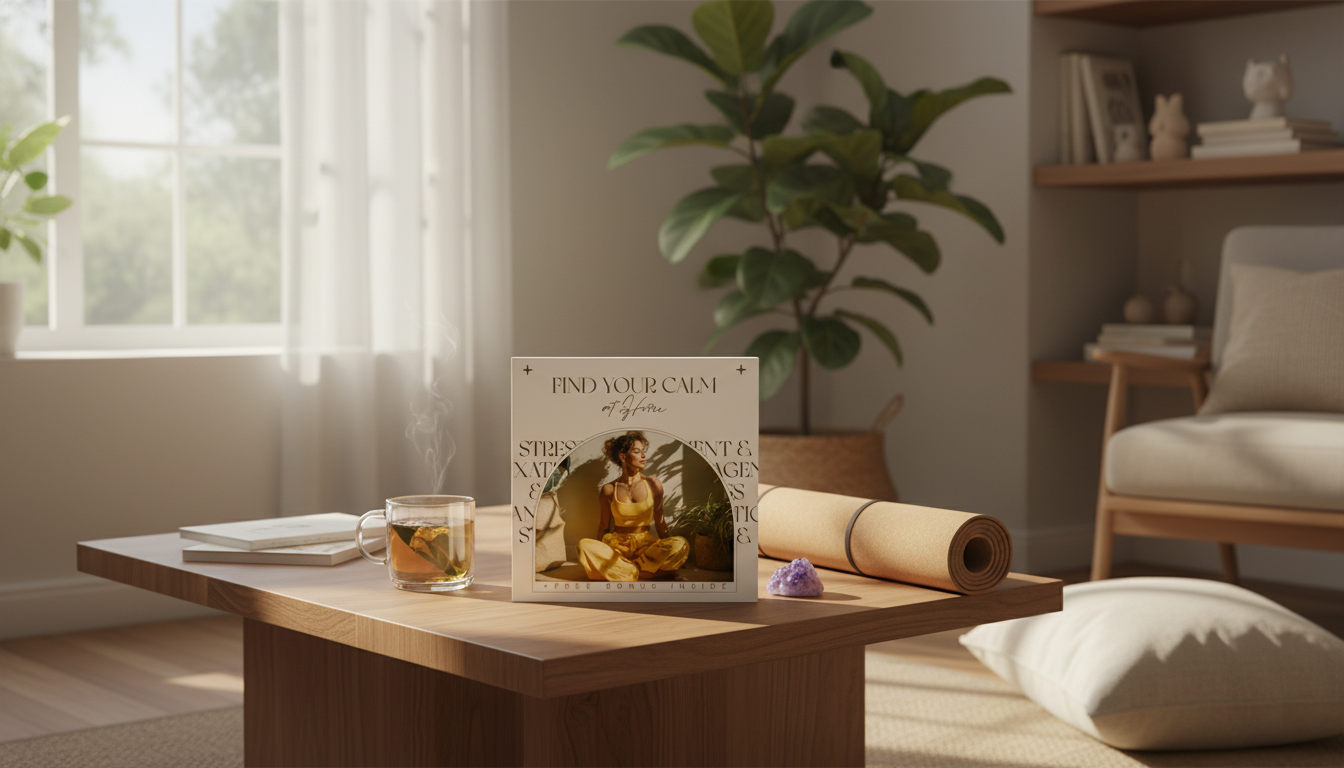
When stress is high, decision-making gets harder—so it helps to keep a simple, step-by-step guide nearby with prompts you can follow without overthinking. Find Your Calm at Home – A Simple, Soul-Soothing Guide to Ways to Relax at Home, Build Peaceful Routines, and Create a Stress-Free Sanctuary is designed to turn “relax more” into small, doable actions you can use in the morning, evening, or on weekends.
To make your calm time feel more inviting, pairing rest with an easy creative project can also help. Frame It Your Way – diy photo frame decorating ideas Guide offers structured inspiration for a low-pressure, hands-on activity that fits well into a quiet hour at home.
If reminders help you stay consistent, a quick reference like Smartwatch Smarts: Features Worth Every Penny can be useful for learning which features support routines—like gentle alarms, timers for a short closing shift, and wind-down notifications.
FAQ
What are the fastest ways to relax at home when feeling overwhelmed?
Try a physiological sigh (two short inhales, one long exhale) for 3–5 rounds, then do a 5-4-3-2-1 grounding scan. If you still feel stuck, wash your hands with warm water and complete one tiny task (like clearing one surface) to reduce background stress.
How can a calm routine be maintained with a busy schedule?
Keep routines “minimum viable” and attach them to habits that already happen, like coffee, brushing teeth, or feeding pets. A short morning start and a 10–15 minute evening closing shift are easier to repeat than long routines—and repetition is what makes calm feel automatic.
How can a stress-free sanctuary be created in a small space or shared home?
Create a small soft-landing zone (even one chair or a bedside corner) and use a tray or basket to keep your calming items contained. Control what you can—warm lighting, a low-scent option, and headphones or white noise—so your space feels soothing without taking over the whole room.
Recommended for you













Leave a comment