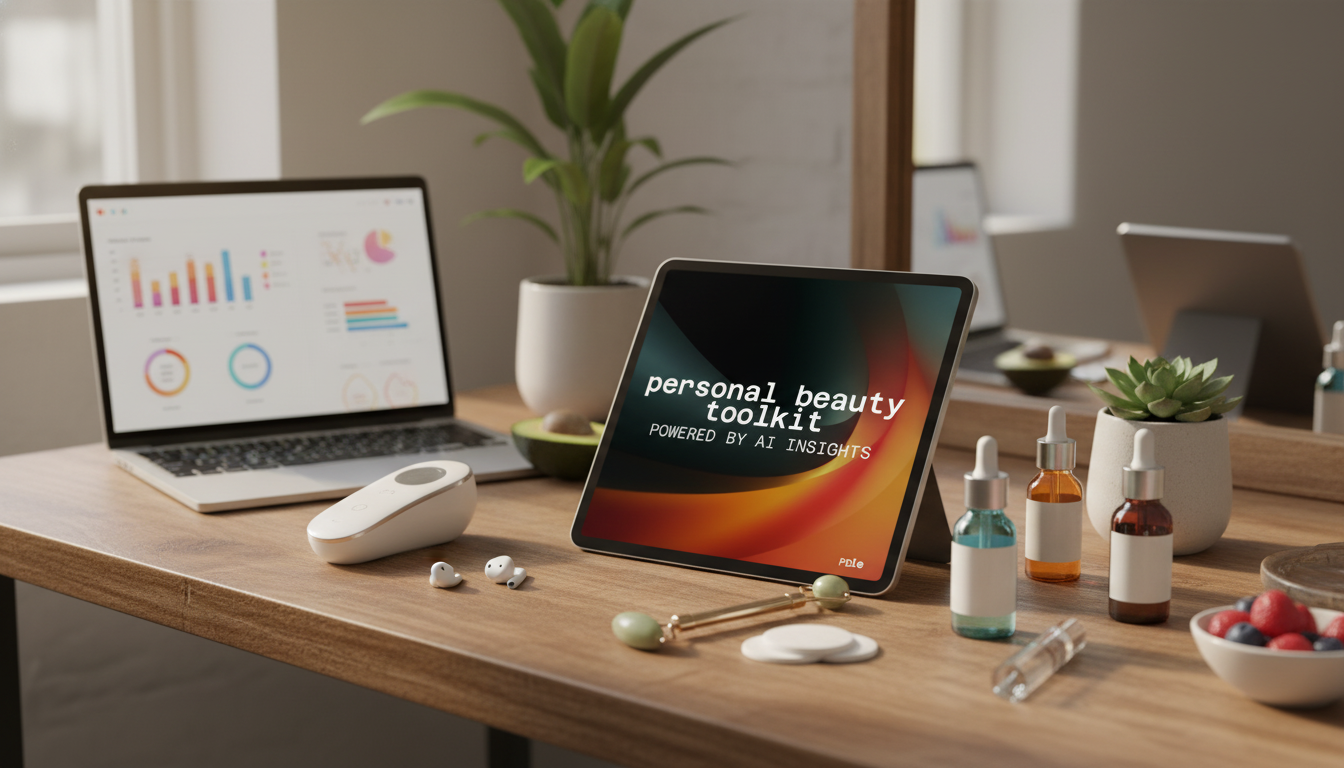
A personalized beauty routine gets easier when recommendations adapt to skin goals, lifestyle, and product preferences. An AI-powered toolkit turns everyday inputs—like how oily you get by mid-day, whether you wear makeup often, or what happens when you try exfoliants—into practical suggestions you can actually follow. The payoff is less guesswork, fewer abandoned bottles in the cabinet, and a routine that stays consistent while still evolving as your skin, hair, and schedule change.
Traditional routines often assume a single “best” approach for everyone. An AI-powered beauty toolkit is designed to be more flexible: it can adjust recommendations based on personal factors (like sensitivity or dryness) and changing needs (like seasonal shifts or stress breakouts).
Instead of buying “what’s trending,” you’re guided toward a smaller set of steps that make sense together—especially important if you’ve ever tried layering too many actives and ended up irritated.
Most personalized recommendation systems follow a simple cycle: collect inputs, propose a routine framework, and improve over time based on feedback. The most useful experiences feel less like a quiz that ends and more like a living routine that adjusts as your real-life results come in.
Common inputs include skin type, undertone, hair texture, goals (acne, hyperpigmentation, hydration), climate, and product preferences. Even lifestyle details—like workout frequency or travel—can change what’s realistic and what your skin needs.
Once inputs are known, the system looks for compatible combinations of steps: what to use daily, what to alternate, and what not to stack together. This is especially helpful for spacing actives (for example, not using multiple strong exfoliants in the same routine).
Good personalization respects constraints: budget limits, minimal-step routines, fragrance-free needs, and texture preferences. The recommendations get sharper when you provide feedback—like “this stung,” “this pilled under sunscreen,” or “my T-zone is less shiny now.”
| Input | Examples | What it changes |
|---|---|---|
| Skin profile | Dry, oily, combination, sensitive | Cleansing style, moisturizer weight, exfoliation frequency |
| Primary goal | Acne, dullness, fine lines, redness | Active ingredients focus and step order |
| Lifestyle | Workout frequency, makeup use, travel | Cleansing intensity, SPF format, long-wear compatibility |
| Environment | Humidity, cold, high sun exposure | Hydration strategy, occlusive use, SPF strength and reapplication |
| Preferences | Fragrance-free, minimalist routine, budget range | Product textures, number of steps, price filtering |
A helpful toolkit doesn’t just output a list of products—it turns recommendations into a routine you can repeat, especially on busy days.
For basics and safety-minded guidance, it’s worth aligning your routine with reputable resources such as the American Academy of Dermatology Association. And because sunscreen is a daily anchor step for most routines, learning about UV exposure from the National Institute of Environmental Health Sciences can help you take protection more seriously year-round.
For additional context on how cosmetics are regulated and what product categories mean, the U.S. Food & Drug Administration cosmetics overview is a useful reference point.
If a more structured, guided approach sounds appealing, Personal Beauty Toolkit Powered by AI Insights | Personalized Beauty Recommendations Using AI is built to align recommendations with goals, preferences, and routine simplicity. It’s a strong fit for shoppers who want to minimize trial-and-error and follow a plan that can evolve with feedback over time.
| Detail | Information |
|---|---|
| Price | 380.99 USD |
| Availability | In stock |
| Store | emanuelo.com |
| Category | AI & Technology |
| Guarantee | 100% money back guarantee |
Clear personalization depends on clear communication—what you tried, what you liked, and what didn’t work. If you want broader guidance on using AI tools beyond beauty routines, Practical AI Toolkit for Non-Technical Minds | using ai tools if you’re not tech-savvy can help you feel more confident with everyday workflows and consistency.
For a separate tech-focused purchase decision that’s easy to overthink, Smartwatch Smarts: Features Worth Every Penny | Smart Buying Guide to Smartwatch Features Worth Paying For | Digital eBook Download is a practical companion when you want a clearer checklist for what’s worth paying for.
Yes, but it works best when you start with a minimal routine, patch test, and introduce only one new product or active at a time. Avoid stacking strong actives, and if irritation persists or worsens, get guidance from a dermatologist.
Update it when seasons change, after major lifestyle changes, or after about 3–6 weeks of consistent use so you can evaluate results. Regular feedback (like dryness, breakouts, or improved texture) helps future recommendations become more accurate.
No—AI can support routine planning and product selection, but it doesn’t diagnose medical conditions. For severe acne, infections, sudden changes, or chronic issues, professional dermatology care is the safest choice.
If you have any questions, here are some useful links:













Leave a comment