HomeBlogBlogWhy Toddlers Get Sick So Often (and How to Cut It Down)

Why Toddlers Get Sick So Often (and How to Cut It Down)

Why Toddlers Get Sick So Often (and How to Cut It Down)

Why Toddlers Seem to Catch Everything: A Practical Guide to Immunity, Exposure, and Healthier Daily Habits

Frequent sniffles, coughs, and fevers can make it feel like a toddler is sick nonstop. Many illnesses are a normal part of immune development, but patterns, environments, and routines can increase (or reduce) how often symptoms show up. Below is a practical breakdown of what’s typical, what can be improved at home and in childcare, and when it’s worth checking in with a clinician.

Why illness is so common in the toddler years

Toddlers are in the “training camp” phase of immunity. Their immune systems are encountering countless viruses for the first time, and those new exposures often cause noticeable symptoms—even when the illness is self-limited and resolves on its own.

  • Immune systems are still learning: new viruses can trigger bigger reactions (runny nose, cough, fever) than parents expect.
  • Close-contact play boosts exposure: daycare, preschool, playgroups, and family events mean shared toys, shared air, and lots of touching.
  • Hand-to-mouth behavior is constant: toddlers touch faces, mouths, and noses frequently, making transmission easy.
  • Symptoms overlap across viruses: many infections look alike, so separate illnesses can feel like one long stretch of sickness.
  • Lingering recovery is real: post-viral cough and congestion can last after the “main” infection ends, especially at night.

Common reasons toddlers get sick often (and what typically helps)

What’s happening Why it increases illness What helps most
High exposure in group settings More contact with new viruses and shared surfaces Handwashing routines, sick-day boundaries, better ventilation
Sleep disruptions Less resilient immune response and slower recovery Consistent bedtime, calming wind-down, age-appropriate naps
Nasal congestion cycle Mouth breathing and poor sleep can prolong symptoms Saline, hydration, humidified air, clinician guidance when needed
Secondhand smoke or irritants Irritates airways and increases respiratory infections Smoke-free environment, reduce strong fragrances and fumes
Low iron or limited diet variety Can affect energy and immune function Balanced meals, iron-rich foods, discuss testing with pediatrician

What “normal” can look like (and when it isn’t)

Frequent colds can be typical in early childhood, especially during the first year of daycare or preschool exposure. A runny nose that blends into another cough can be the result of separate viruses arriving back-to-back—not one “never-ending cold.”

  • Often normal: multiple colds per year, especially with group care; mild fevers that improve; lingering cough after a viral illness.
  • Talk to a clinician promptly for red flags: breathing difficulty, dehydration, persistent high fever, unusual sleepiness, bluish lips/face, or symptoms that rapidly worsen.
  • Ask about patterns: recurrent ear infections, repeated pneumonia, poor growth, chronic diarrhea, or unusually severe infections.
  • Consider look-alikes: allergies, asthma, sinus/ear complications, reflux-related cough, or (less commonly) immune concerns.

For reliable, parent-friendly references, see HealthyChildren.org (American Academy of Pediatrics) and the Mayo Clinic overview on colds in children.

The exposure map: where germs spread most in a toddler’s day

  • Daycare and preschool: shared toys, close proximity, imperfect hand hygiene, and frequent face-touching.
  • Home hotspots: phones, remotes, door handles, sink handles, and shared cups/utensils.
  • Playdates and indoor playgrounds: many children + high-touch surfaces = efficient germ transfer.
  • Family visits: adults may bring “just allergies” or mild symptoms; toddlers get close-contact hugs and kisses.
  • Seasonal shifts: more time indoors with less fresh air makes spread easier.

Habits that reduce illness without turning home into a laboratory

  • Handwashing at key times: arriving home, before eating, after toileting/diapering, and after wiping noses. The CDC handwashing guidance is a helpful benchmark for technique and timing.
  • Teach “cover the cough” early: elbow or tissue, followed by handwashing.
  • Ventilation helps more than most people think: crack windows when feasible, run bathroom/kitchen exhaust fans, and consider a HEPA filter for high-traffic rooms.
  • Focused cleaning beats constant disinfecting: prioritize high-touch items (doorknobs, remotes, water bottles) and increase frequency during active illness.
  • Sick-day boundaries matter: keeping a symptomatic child home reduces spread—and often reduces how long illness cycles through the household.
  • Nasal care basics: saline spray/drops, hydration, and humidified air can reduce congestion-related sleep disruption (and help everyone function better).

Food, sleep, and movement: building a stronger baseline

When to call the pediatrician: a quick decision checklist

A ready-to-use resource for understanding toddler immunity and creating healthier routines

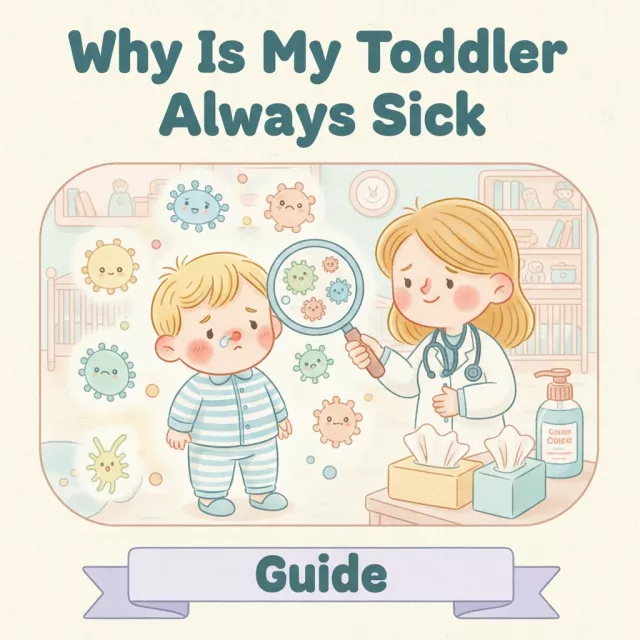
If it feels hard to spot patterns (or to get everyone aligned across caregivers), a simple printable tracker can help connect the dots between sleep, symptoms, exposures, and routines. A practical option is the Why Is My Toddler Always Sick Guide (Printable PDF Download), designed to make it easier to identify the biggest “germ highways” and choose realistic habit changes that actually stick.

For families who like digital systems for planning routines (without overcomplicating things), these additional downloads can support organization and follow-through: Practical AI Toolkit for Non-Technical Minds and Smartwatch Smarts: Features Worth Every Penny.

FAQ

How many colds are typical for a toddler in a year?

It can be normal for toddlers to have frequent viral infections, especially during the first year of daycare or preschool. Symptoms also linger (like cough and congestion), so separate colds can blur together; ask a clinician if infections are unusually severe, very frequent with complications, or paired with poor growth.

Can allergies make it seem like my toddler is always sick?

Yes—allergies can cause ongoing or recurrent symptoms like clear runny nose, congestion, and itchy/watery eyes, often with seasonal or environment-based patterns. Because allergies and viruses overlap, a clinician can help determine whether triggers, home changes, or evaluation would help.

What daily habits make the biggest difference in reducing illness?

Focus on key-moment handwashing, improved ventilation, consistent sleep routines, reasonable sick-day boundaries, and targeted cleaning of high-touch items during illness. These steps reduce exposure without requiring constant disinfecting.

Was this article helpful?

Yes No
Leave a comment
Top

Yay! 10% Off Just for You!

Join our community and enjoy 10% off your first order. Subscribe for exclusive deals!

Shopping cart

×