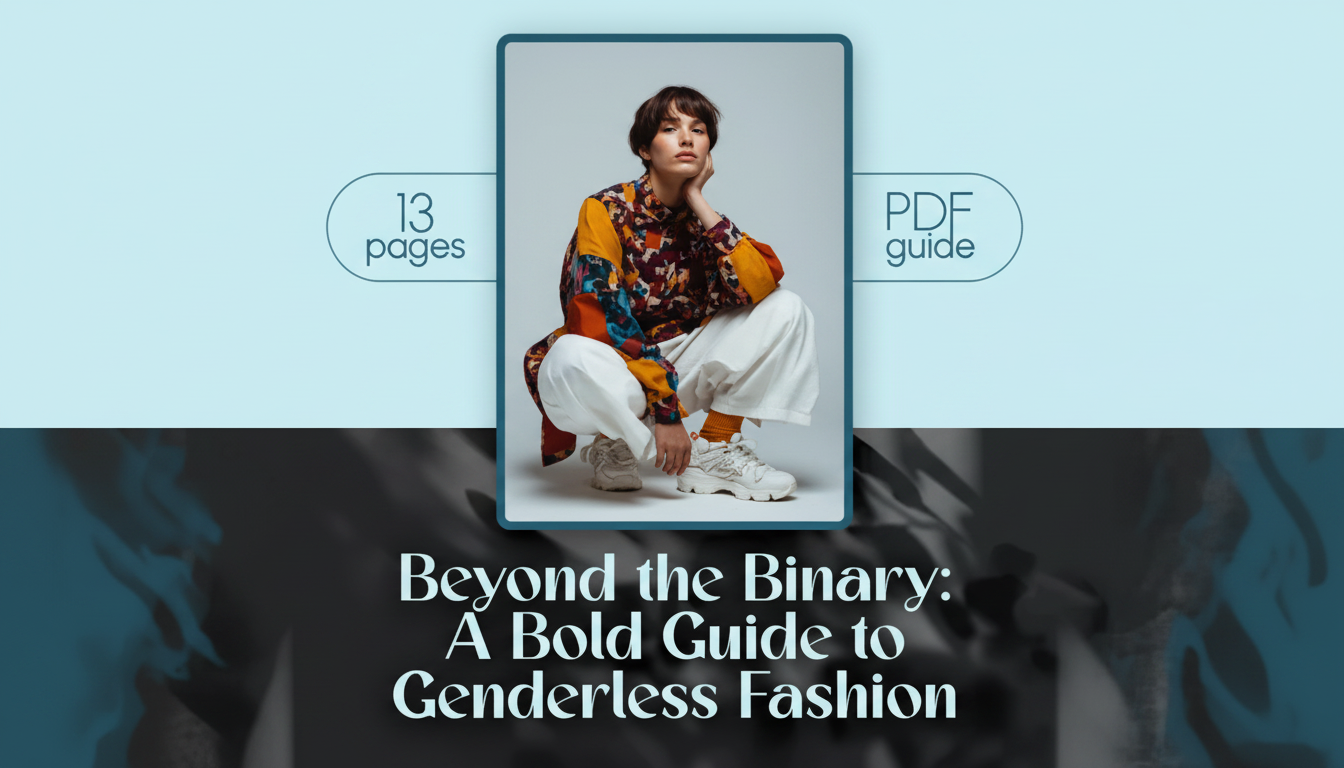
Genderless fashion is less about erasing identity and more about expanding options—silhouettes, colors, textures, and styling choices that work for the person wearing them. Instead of treating “menswear” and “womenswear” as boundaries, a genderless approach treats them as aisles in the same store: useful, optional, and ready to be mixed. The goal is simple—get dressed in a way that feels comfortable, functional, and unmistakably yours.
Genderless fashion is a style-first approach: clothing choices guided by comfort, function, and self-expression rather than labels. It can look sharp, soft, dramatic, minimal, playful, or classic—sometimes all in the same week.
A common misconception is that genderless dressing means shapeless basics, monochrome minimalism, or “one look fits all.” In reality, the most powerful genderless outfits often come from small, intentional decisions: a structured jacket over a fluid knit, a heavy boot with delicate jewelry, or an oversized layer balanced by a clean, straight leg.
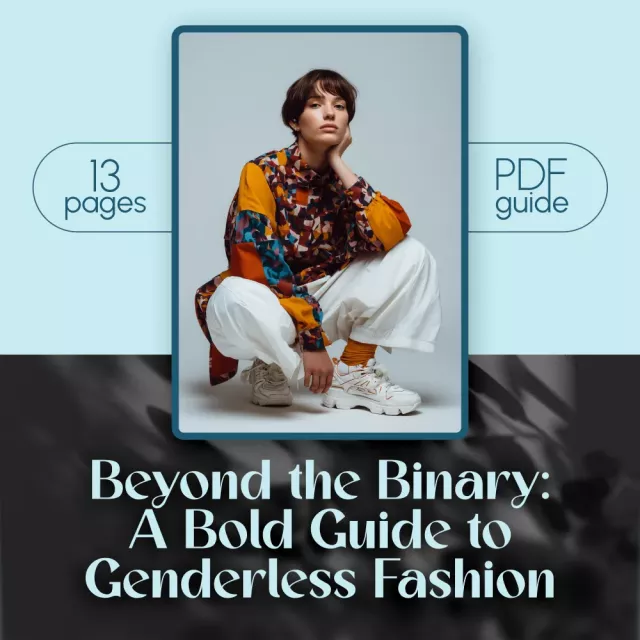
The key idea is that silhouette, fabric, and proportion matter more than the tag on the rack. If you want a helpful baseline for building outfits without relying on traditional rules, start with Beyond the Binary: A Bold Guide to Genderless Fashion – Essential Digital Guide to Genderless Fashion & Style Freedom, a practical digital resource focused on repeatable styling choices.
Some shapes work across nearly every wardrobe because they’re adaptable and easy to style: straight-leg jeans, wide-leg trousers, relaxed taper pants, boxy tees, and longline layers (like trenches, dusters, or oversized overshirts). These silhouettes create clear lines without forcing you into a “masculine” or “feminine” template.
Proportion is where the outfit starts to feel intentional. A simple rule: balance volume. Pair an oversized top with a straighter bottom, or match wide-leg pants with a closer-fit knit or a tucked tee. If everything is loose, the look becomes intentionally slouchy; if everything is fitted, it becomes sleek. Both can be great—choosing is what creates style.
Texture changes the mood faster than color. Denim and twill read grounded and utilitarian; wool feels tailored and elevated; satin, leather, and rib knits add drama or sensuality without changing who’s wearing them. When you’re building a genderless wardrobe, texture is a powerful “vibe dial.”
Layers create structure and softness on demand. A chore jacket adds definition to a tee. A vest gives clean lines and pockets. A scarf introduces movement and contrast. If you want a sharper outline, choose structured outerwear; if you want gentler shape, go for drape and knit.
| Category | Piece | Why it works | Easy styling ideas |
|---|---|---|---|
| Top | Boxy tee (solid) | Clean lines, easy proportions | Tuck partially, layer under overshirt |
| Top | Button-up shirt | Adjustable formality | Wear open as a light jacket; roll sleeves |
| Layer | Overshirt or chore jacket | Adds structure without stiffness | Pair with denim or trousers for balance |
| Layer | Blazer (relaxed fit) | Instant polish | With tee + trousers; push sleeves up |
| Bottom | Straight-leg jeans | Universal base | Cuff hem; add belt for definition |
| Bottom | Wide-leg trousers | Modern silhouette | With fitted knit; add sleek shoes |
| Bottom | Relaxed cargo or utility pant | Function + edge | With simple top; keep palette tight |
| One-piece | Jumpsuit or boiler suit | Full outfit in one | Add boots; layer a tee underneath |
| Outerwear | Long coat or trench | Strong shape, dramatic line | Monochrome look; add scarf contrast |
| Shoes | Clean sneaker | Daily wear versatility | Works with denim, trousers, jumpsuits |
| Shoes | Boot (Chelsea or lace-up) | Grounds outfits, adds presence | Pair with cropped hem or cuffed pants |
| Accessories | Minimal jewelry + bag | Personal signature | Chain, rings, tote/crossbody for utility |
If a closet reset is part of your style shift, pairing wardrobe edits with a practical home-decluttering system can reduce decision fatigue. A complementary resource for that process is Reclaiming Your Home from the Mess Bundle: 10 Essential Guides & Checklists to Calm the Cluttering Chaos.
Beyond the Binary: A Bold Guide to Genderless Fashion – Essential Digital Guide to Genderless Fashion & Style Freedom is designed to make style feel repeatable—not like you need a new personality for every outfit. It supports building outfit formulas, choosing silhouettes that match the vibe you want (sharp, soft, playful, minimal, dramatic), shopping with clear fit-and-fabric checkpoints, and reducing wardrobe stress through versatile combinations.
For additional context around respectful language and identity concepts, authoritative references include the APA Dictionary of Psychology, the GLAAD Media Reference Guide, and industry perspective from the Council of Fashion Designers of America (CFDA).
They overlap, but they’re not identical. Unisex often means shared basics and standardized sizing, while genderless fashion is a styling approach that can include any garment, any cut, and tailoring choices that suit the wearer.
Measure key points like shoulders, waist/hip, inseam, and rise, then use brand size charts to compare. Prioritize how the shoulders and waistband fit, and consider simple tailoring (hemming or waist adjustments) to make great pieces feel made for you.
An overshirt or chore jacket, straight- or wide-leg pants, a relaxed blazer, a boxy tee, and versatile sneakers or boots are easy starting points. Choose comfort-first fabrics so you actually want to wear the pieces on repeat.
If you have any questions, here are some useful links:








Leave a comment