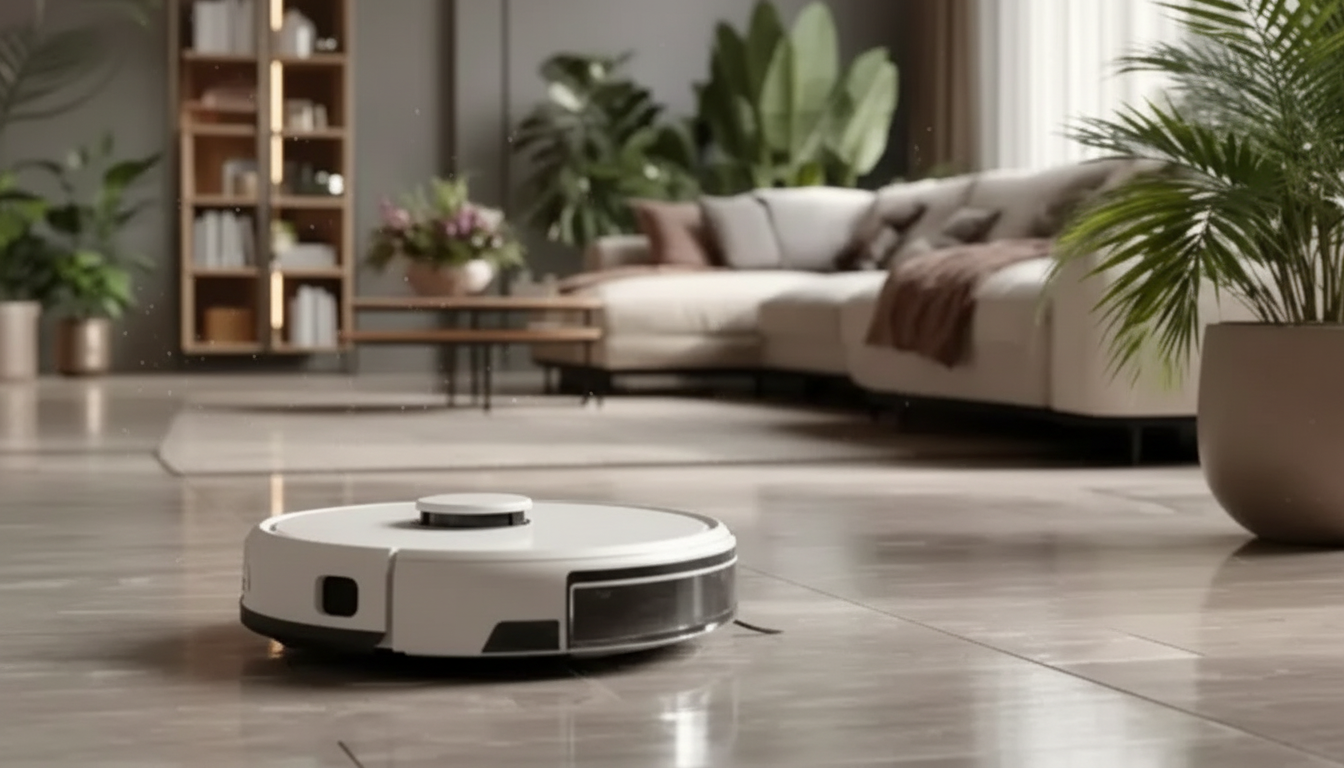
Most homes don’t get messy because people don’t care. They get messy because the system depends on motivation and memory—two things that fluctuate. When cleaning is treated like an occasional “big event,” it tends to collapse the moment a week gets hectic.
A lightweight AI-assisted routine works best when it behaves like a calm “cleaning ops manager”: it reduces choices, suggests the next small action, and keeps the plan realistic. Instead of trying to do everything, it helps you do the right thing next.
| Routine challenge | AI-assisted solution | Outcome to expect |
|---|---|---|
| Not sure what to do next | Prioritized task list by room and urgency | Less procrastination and faster starts |
| Overwhelmed by big messes | Breakdown into 10-minute micro-tasks | Progress without burnout |
| Forgetting periodic chores | Rotating schedule (weekly/monthly/seasonal) with reminders | Fewer “surprise” deep cleans |
| Inconsistent standards | Definition of “done” checklists (minimum vs. ideal) | Cleaner results with less time |
| Busy weeks derail habits | Automatic “reset plan” that compresses essentials | Quick return to baseline |
The secret to consistency isn’t doing more—it’s choosing a minimum that prevents backlog. A “minimum clean” baseline protects your future self and keeps the home feeling mostly handled even when life is loud.
For health-focused guidance on when cleaning versus disinfecting matters, the CDC’s overview is a practical reference: CDC — Cleaning and Disinfecting.
Habits stick when they’re attached to something that already happens. Think of triggers as rails that keep your routine moving even when you don’t feel like cleaning.
Automation is less about gadgets and more about removing the need to remember. A calendar and a few reminders can carry the routine when your attention is elsewhere.
For straightforward, room-by-room fundamentals, the American Cleaning Institute — Cleaning Basics is a reliable reference.
If you occasionally need disinfectants for higher-risk situations, confirm the product is appropriate for the job (and follow label directions). The EPA maintains a reference list here: U.S. EPA — List N.
If you want a guided, ready-to-use structure, start with Making Cleaning Consistency Effortless with AI – eBook for Smart Homeowners | Learn How to Use AI to Stay Consistent with Cleaning, Build Habits & Automate Your Routine.
For seasonal decluttering that supports an easier cleaning baseline (less stuff = less to manage), pair your routine with Plan Your Perfect Year-Round Wardrobe | Seasonal Wardrobe Checklist & Closet Planning Guide | Digital Download.
Most households can keep a daily baseline to 5–20 minutes, especially when tasks are small and time-boxed. Add one or two short weekly blocks (15–45 minutes) to handle bathrooms, floors, or laundry catch-up without creating a backlog.
No—calendars, reminders, and checklists work on any phone or computer. Smart speakers and automations are optional upgrades that can make nudges more convenient, but they’re not required.
Use a reset protocol: a 20–45 minute triage list that restores the essentials (trash, dishes, surfaces, quick floors, bathroom touch-up), then return to your baseline. Instead of adding more tasks, shrink task size and adjust triggers so the plan fits real weeks.
If you have any questions, here are some useful links:










Leave a comment