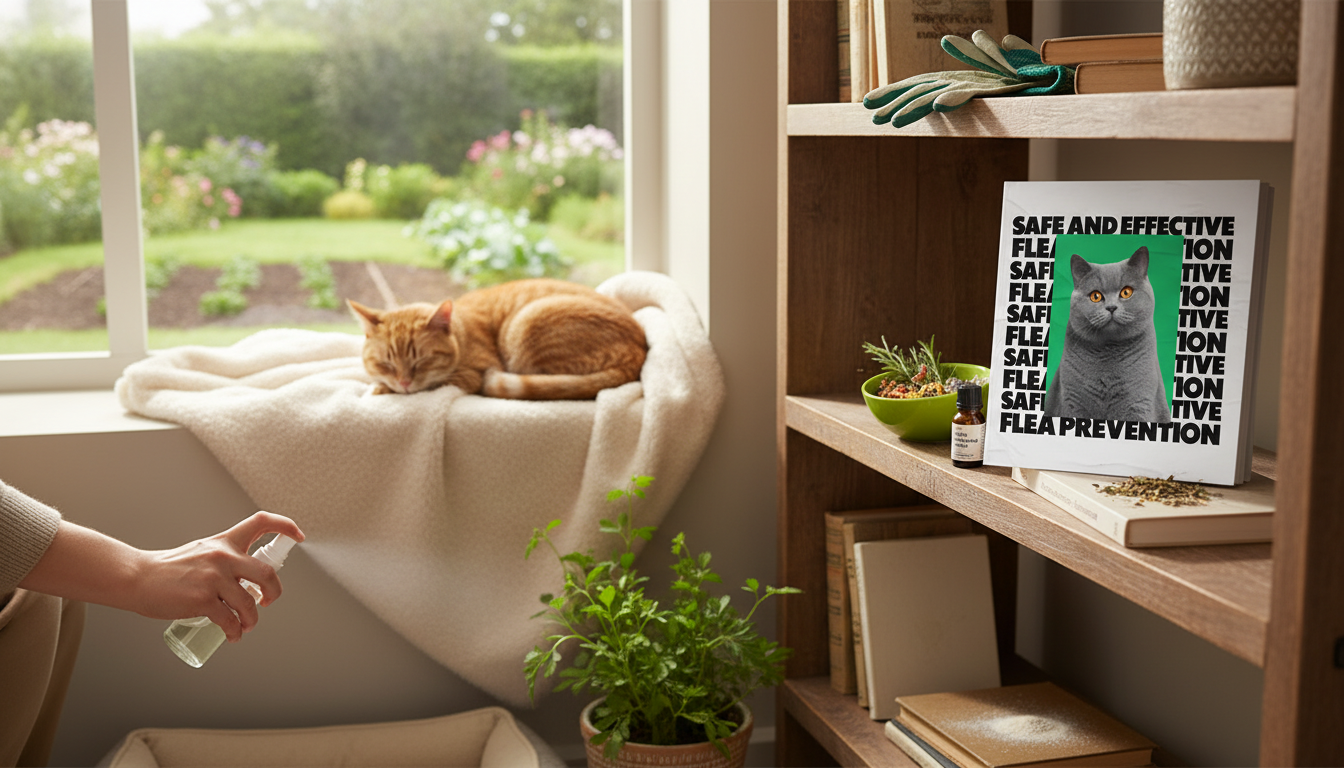
Fleas reproduce fast, hitchhike indoors, and can quickly turn “a little scratching” into irritated skin, secondary infections, and even tapeworm risk. A safer, natural-first approach starts with understanding the flea life cycle—then using consistent grooming, home routines, and yard habits that make it hard for fleas to survive, without leaning on harsh chemicals as a first step.
Flea control feels frustrating because the pet is only part of the picture. Adult fleas may be visible on the coat, but most of the population usually lives off the pet.
That’s why natural prevention works best when it’s layered: pet + home + yard, repeated long enough to outlast the hidden stages.
Before adding any products (even “natural” ones), confirm what you’re dealing with and make sure your pet is safe to treat at home.
Grooming doesn’t have to be complicated; the goal is to physically remove fleas and spot problems early.
Comb slowly through the neck, tail base, belly, and behind the ears. Dunk anything you catch (fleas or flea dirt) into a bowl of warm, soapy water to trap it.
A gentle pet shampoo can remove fleas on contact. Follow with thorough drying and another pass with the flea comb. If your pet has very dry skin or dermatitis, bathe less often and check with your vet about a skin-friendly schedule.
Regular brushing reduces debris, helps distribute natural oils, and makes it easier to notice flea dirt before it turns into a full outbreak.
If the home environment stays “flea-friendly,” fleas keep cycling no matter what you do on the pet.
For life cycle details and why environmental steps matter, reference the CDC flea overview.
For veterinary guidance on integrated flea control, see the Companion Animal Parasite Council (CAPC) flea guidelines.
| Area | Do this | How often | Notes |
|---|---|---|---|
| Pet | Flea comb + brush coat | Daily (during outbreaks), then 2–3x/week | Use soapy water to trap comb findings |
| Pet | Bath with gentle pet shampoo (as appropriate) | Every 1–2 weeks (or vet-guided) | Over-bathing can dry skin; monitor irritation |
| Home | Vacuum floors, rugs, upholstery, baseboards | 3–5x/week (outbreak), then weekly | Discard vacuum bag/canister contents immediately |
| Home | Wash bedding, throws, soft toys | Weekly | Hot wash/dry when fabric allows |
| Yard | Mow/trim and clear shaded, damp debris | Weekly (warm season) | Focus on pet paths and resting spots |
| Entry points | Check for wildlife access and seal gaps | Monthly | Reduces re-infestation pressure |
Consistency over 2–4 weeks is what outlasts the flea life cycle. If a step-by-step plan helps you stay organized, Safe and Effective Flea Prevention – A Natural, Chemical-Free eBook Guide with Best Natural Flea Prevention Ideas for Happy, Healthy Pets offers a structured, natural-first workflow with pet-specific cautions (especially important for cats).
For households where flea season also disrupts sleep and routines, these digital guides can complement a calmer, more consistent home rhythm: When the House Is Quiet but Your Dog Isn’t – Nighttime Barking Guide and Think Happy: Affirmations Pack – Affirmations for Positive Thinking Bundle.
Focus on non-toxic basics: flea combing, frequent vacuuming, and weekly laundering of bedding and throws. Cats are sensitive to many essential oils, so avoid DIY oil applications and ask a veterinarian before using any topical or diffused products.
Most homes see improvement in about 2–4 weeks with consistent grooming and cleaning, because eggs and larvae must progress through the life cycle before they can be removed. Pupae can delay results since they can remain protected and emerge later.
Yard sanitation can make a big difference: mow, trim, remove damp debris, and focus on shaded pet-rest areas where fleas thrive. If the infestation is severe or keeps returning due to wildlife traffic, stronger vet-recommended or professional options may be needed alongside yard habits.
If you have any questions, here are some useful links:












Leave a comment