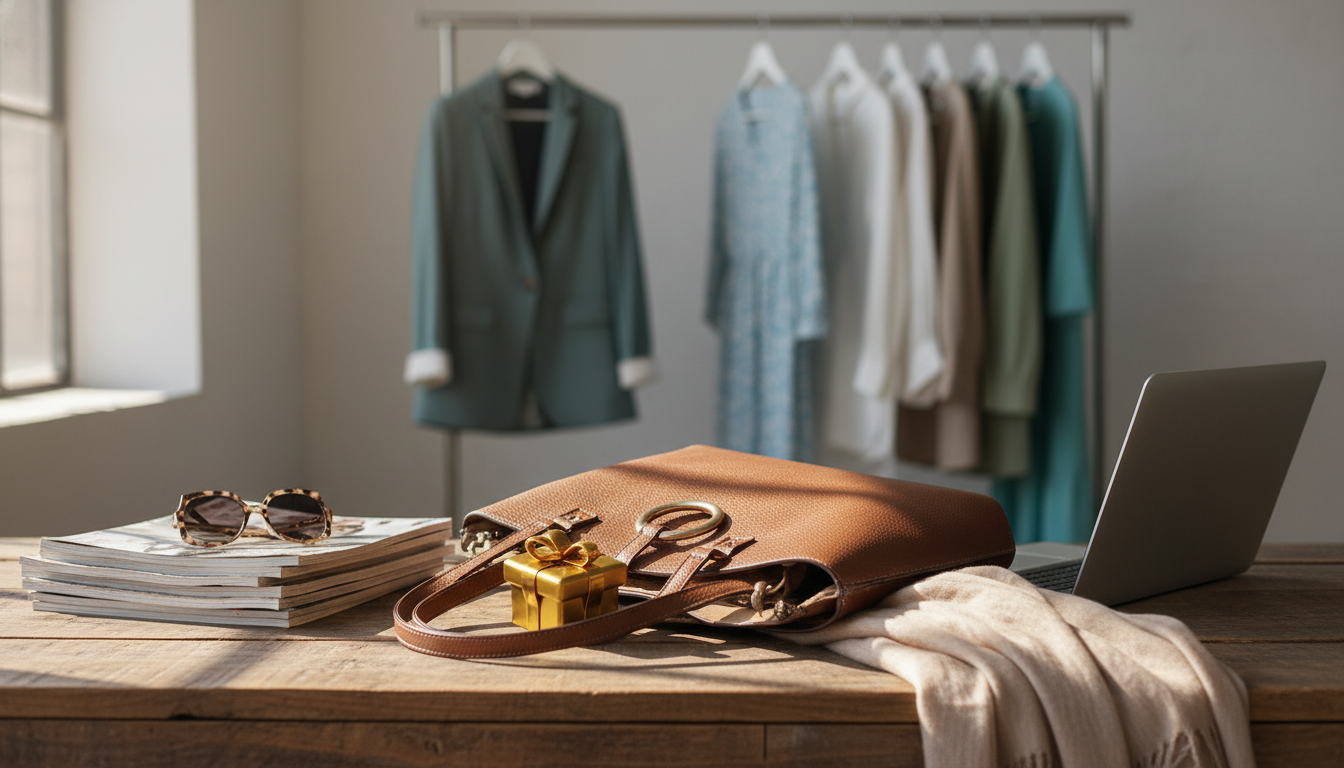
A bag can sharpen a look, balance proportions, and signal the tone of an outfit before a single word is spoken. The key is choosing the right shape, scale, color, and finish for what’s being worn—and where the day is headed. Use the system below to make faster, more confident choices from casual errands to events and travel days.
Think of your outfit and your bag as two parts of the same silhouette. When one side has visual “weight,” the other should hold its own—either by matching the scale or by creating intentional contrast.
The most stylish choice is often the most practical one—when the bag matches what the day requires. Start with capacity, then refine with structure and strap style.
| Occasion | Outfit cues | Best bag styles | Color & finish tips |
|---|---|---|---|
| Work / office | Tailoring, button-downs, loafers, clean lines | Structured tote, satchel, top-handle bag | Neutral leather; minimal hardware; avoid overly slouchy shapes |
| Weekend casual | Denim, tees, sneakers, relaxed layers | Crossbody, hobo, belt bag | Canvas or soft leather; add a bright color to lift basics |
| Date night | Dressy separates, heels, fitted silhouettes | Mini shoulder bag, small top-handle, clutch | Sleek texture (smooth leather, satin); consider metallic accents |
| Weddings / formal events | Cocktail or formalwear, elevated fabrics | Clutch, minaudière, small structured bag | Match metal tone to jewelry; keep colors refined (black, champagne, jewel tones) |
| Travel day | Comfort layers, flats, practical outerwear | Secure crossbody + foldable tote | Zippers preferred; darker shades hide wear; lightweight materials |
| Errands & active days | Athleisure, easy knits, functional shoes | Belt bag, compact crossbody, nylon shoulder bag | Water-resistant materials; choose a strap that adjusts quickly |
Color is the fastest way to make a bag look “meant” for the outfit. The trick is to anchor most looks with neutrals, then add personality with deliberate pops.
If choosing the “right” bag still feels like guesswork, a ready-made framework helps. Your Ultimate Guide to Style Bags Like a Pro – Digital Styling Guide & eBook is built for quick outfit-to-bag pairing, so you can stop overthinking and start repeating what works.
To make outfit planning even easier across seasons, pair it with Plan Your Perfect Year-Round Wardrobe – Seasonal Wardrobe Checklist & Closet Planning Guide for a clearer view of what you own, what you wear, and which bag roles you actually need.
Many “rules” of accessories come down to proportion, craftsmanship, and context—ideas that show up repeatedly in fashion education and exhibition history. For deeper background on the industry and design standards, visit the CFDA (Council of Fashion Designers of America). For a broader view of fashion’s evolving silhouettes and materials, explore The Met’s Heilbrunn Timeline of Art History: Fashion.
Three is a practical baseline: one everyday hands-free bag, one work-capacity bag, and one evening/occasion option. From there, add only if it fills a real gap—like a seasonal woven texture or a statement color you’ll repeat often.
Medium-to-large bags tend to balance oversized proportions best, especially with a bit of structure and a thicker strap. Try a structured tote with wide-leg trousers, a medium shoulder bag with a chunky knit set, or a roomy hobo with an oversized denim jacket.
Matching metals creates a cleaner, more intentional finish, especially for dressier outfits. Mixed metals can still work when the outfit already includes both tones or when the bag is clearly the statement piece.
If you have any questions, here are some useful links:









Leave a comment