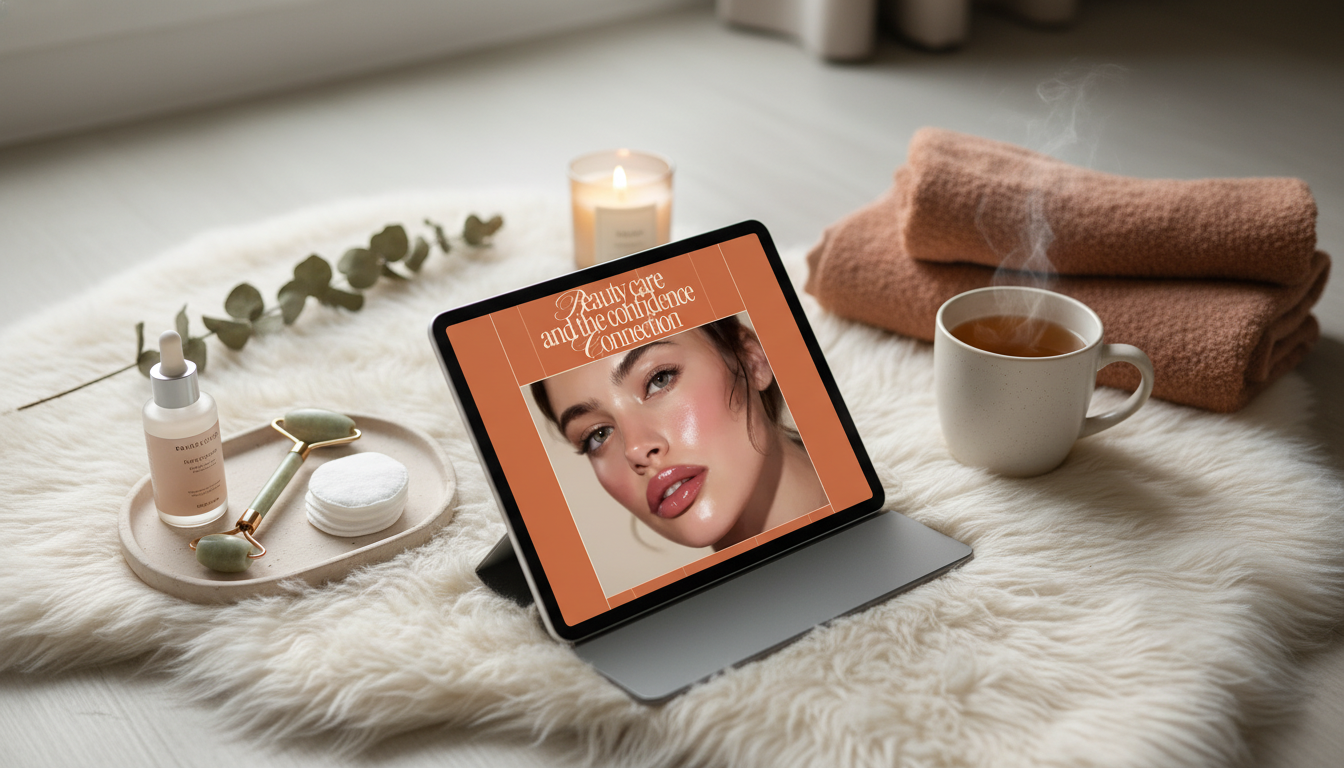
Confidence often grows from small, repeatable choices—especially the kind made in front of the mirror and away from it. Beauty care can be a daily anchor that supports mood, self-respect, and consistency, while a healthy beauty mindset keeps routines from turning into pressure. This guide shares simple ways to connect skincare, grooming, and personal style with realistic confidence-building habits, plus a structured digital guide that turns good intentions into a plan.
Confidence isn’t only a feeling; it’s also a pattern the brain learns from evidence. When you repeat basic care—washing your face, keeping your scalp comfortable, brushing your teeth, moisturizing—you’re sending consistent identity cues: “I’m the kind of person who shows up for myself.” Over time, those cues can strengthen a sense of capability and steadiness.
Beauty care works best as a supportive ritual, not a requirement to be “acceptable.” The goal is comfort, health, and readiness—without tying worth to perfection. If a routine leaves you anxious, it’s too expensive emotionally, even if it’s trendy.
Consistency is the multiplier. Quick, sustainable routines usually build more confidence than occasional “perfect” overhauls. Think of it like keeping a promise small enough to keep on ordinary days.
A confidence-friendly beauty mindset is less about chasing a flawless result and more about practicing self-respect. One helpful shift is to replace outcome goals with process goals. Instead of “look amazing,” aim for “keep my skin comfortable and protected” or “keep my hair manageable.” Process goals are achievable on both high-energy and low-energy days.
During routines, neutral self-talk can be surprisingly powerful. Narrate what you’re doing (“applying moisturizer,” “brushing my hair”) rather than evaluating (“I look tired,” “my skin is bad”). This keeps the routine grounded in care instead of criticism.
Boundaries also matter. If certain accounts, trends, or “before/after” content triggers comparison, unfollow or mute. Curate a feed that reflects diverse beauty and realistic norms. For skin health basics—especially sunscreen and gentle routines—resources like the American Academy of Dermatology Association can help keep decisions rooted in practical guidance instead of hype.
Finally, choose one “signature” element that signals readiness without demanding a full routine: lip balm, groomed brows, fragrance, or clean nails. It becomes a simple cue to your brain: “I’m prepared to participate in my day.”
Confidence grows when routines are short enough to repeat. Start with a baseline you can maintain, then adjust based on skin type, climate, and schedule. If you’re unsure, keep it gentle and add one change at a time.
| Moment | Beauty care step | Confidence cue | Time |
|---|---|---|---|
| Morning | Moisturize + sunscreen | “I protect my future self.” | 3–5 min |
| Before a task | Brush hair / lip balm | “I can start even if I’m not 100% ready.” | 1 min |
| After work/school | Cleanse + moisturize | “I reset; the day doesn’t define me.” | 5–10 min |
| Weekly | Nails, brows, or hair care | “I maintain what matters to me.” | 15–30 min |
Use “confidence stacking”: pair the routine with a micro-affirmation that feels believable rather than lofty. Examples: “I keep promises to myself,” “I’m practicing consistency,” or “Small steps count.” The aim is to build agency—one completed rep at a time.
Using beauty as punishment: Routines driven by shame rarely last. Shift to comfort-based goals (calm skin, a healthy scalp, rested appearance). For broader support around self-esteem and coping, the American Psychological Association offers resources that emphasize healthy, sustainable confidence.
When confidence feels fragile, it helps to remove guesswork. Beauty Care and the Confidence Connection – Self Care Guide (Digital Download) is designed to connect simple beauty routines with confidence-building reflections so progress is easier to track.
A strong “before I show up” ritual can be as simple as 60 seconds of mindset reset paired with one grooming step. If you like having ready-to-use phrases, Think Happy: Affirmations Pack (Digital Download) can support consistent reframes—especially on days when self-talk gets harsh.
Outfits can either drain energy or protect it. A small amount of planning (even choosing a few “default” outfits) reduces morning friction and helps you feel put-together without extra effort. Plan Your Perfect Year-Round Wardrobe (Digital Download) can help structure seasonal edits and go-to combinations so getting dressed feels simpler on low-energy days.
They can improve confidence when they’re framed as self-care: consistent routines provide evidence of self-respect and capability, and they often increase comfort (clean skin, protected skin, manageable hair). The key is keeping worth separate from appearance and focusing on process over perfection.
Reduce it to a minimum baseline you can do on your busiest days—like cleanse and protect—then build slowly with habit stacking. Checklists and simple prompts can also help you stay consistent without needing a big burst of motivation.
Many people feel a small mood and agency boost within days because they’re keeping promises to themselves. Skin and routine-related changes often take a few weeks, so tracking small wins and process goals helps you notice progress sooner.
If you have any questions, here are some useful links:














Leave a comment