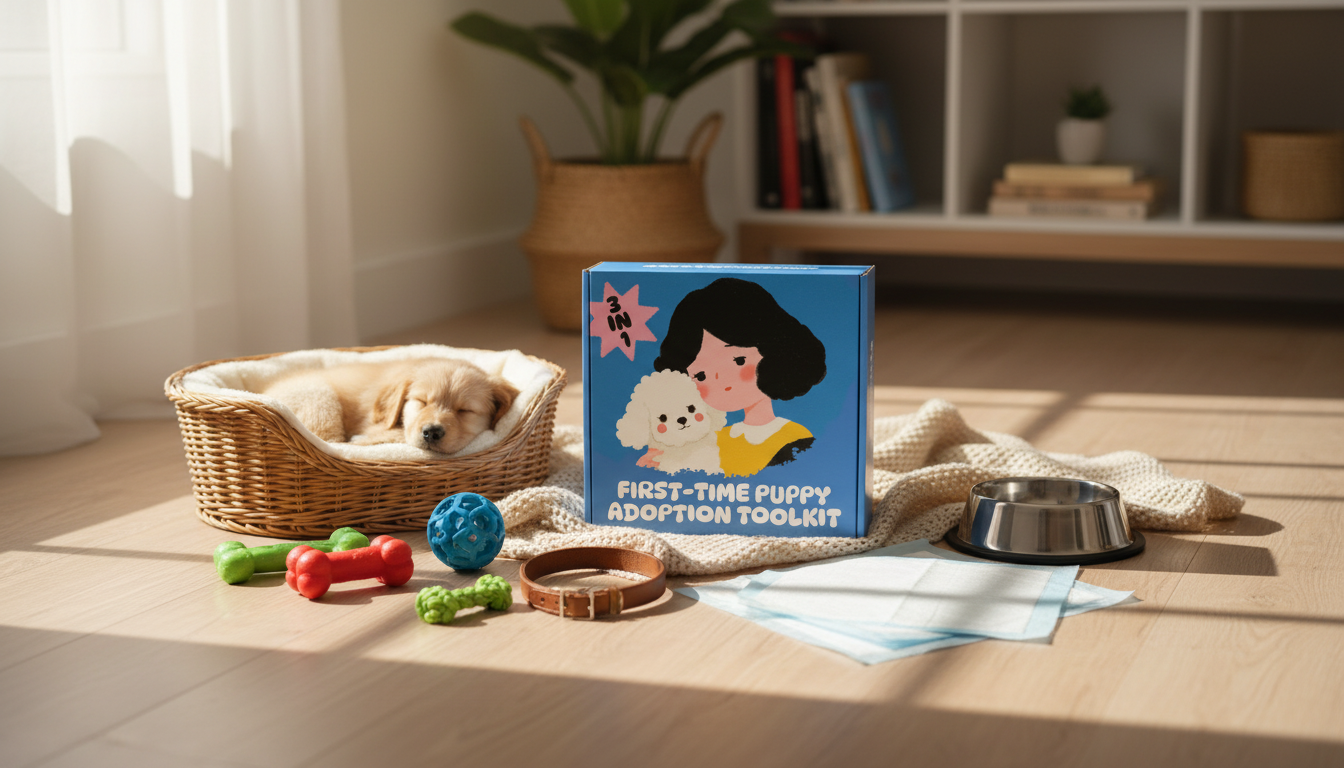
Bringing home a puppy for the first time is exciting and intense at the same time—sleep, routines, potty training, and puppy-proofing all hit at once. The easiest way to stay calm is to reduce daily guesswork. A structured bundle of digital resources can turn the first week into a clear plan, so decisions feel simpler, repeatable, and consistent for everyone in the home.
The first three days are a major transition. Your puppy has new smells, new sounds, new people, and a new schedule—so even a confident pup may seem clingy, restless, or unsure. Calm structure usually works better than constant stimulation.
A good first-time puppy toolkit isn’t about doing more—it’s about doing fewer things more consistently. A 3-in-1 bundle typically organizes your first-week priorities into checklists, routines, and quick troubleshooting support so you don’t have to build a system while you’re sleep-deprived.
If you want a ready-made system, link the household to one set of resources like the First-Time Puppy Adoption Toolkit – 3-in-1 Bundle for New Dog Owners.
| New owner challenge | What a toolkit resource typically provides | Outcome to aim for |
|---|---|---|
| Potty accidents | Potty schedule, tracking sheets, cues, confinement plan | Fewer accidents through repetition and timing |
| Sleep disruption | Nap schedule, bedtime routine checklist, calming setup | More predictable nights and fewer wake-ups |
| Biting/nipping | Redirection steps, appropriate chews list, short training plan | Safer play and clearer boundaries |
| Overwhelm/decision fatigue | Day-by-day checklist and priorities | Confidence and consistency |
Before your puppy explores the whole house, set up the environment so “good choices” are easy and “bad choices” are difficult.
| Time block | Focus | Notes |
|---|---|---|
| Morning | Potty + breakfast + short training | Reward calm behavior and quick potty success |
| Late morning | Nap in crate/pen | Keep the environment quiet and dim |
| Midday | Potty + play + lunch (if used) | Supervised play; end before overstimulation |
| Afternoon | Potty + chew time + nap | Offer legal chews; remove unsafe items |
| Evening | Dinner + potty + calm play | Lower intensity as bedtime approaches |
| Night | Final potty + bedtime routine | Consistent cue; same sleep location nightly |
Schedule a vet visit soon after adoption to establish a baseline and confirm vaccine and deworming plans. Guidance from veterinary organizations can help you prepare questions and track preventive care; see the American Veterinary Medical Association (AVMA) pet care resources for preventive health basics.
For additional puppy care and training fundamentals, the ASPCA puppy care basics and the AKC training guidance are helpful references.
If nighttime noise is the main issue, a targeted resource like When the House Is Quiet but Your Dog Isn’t – Nighttime Barking Guide can help you troubleshoot without changing everything else at once.
For new owners who feel anxious during the transition, adding a calm, supportive mindset routine can help you stay steady while your puppy learns. If that fits your household, consider Think Happy: Affirmations Pack – Affirmations for Positive Thinking Bundle as a simple daily reset alongside your puppy’s schedule.
Set up a safe confinement/rest area and a supervised play zone, do a ground-level puppy-proofing sweep, and buy essentials (food, ID tag, crate/pen, enzymatic cleaner, and chews). Make a first-night plan and schedule a vet visit, then limit freedom until potty and sleep routines are consistent.
Many puppies start to relax within a few days, but full adjustment often takes a few weeks. Age, prior environment, and routine consistency matter most—predictable schedules, frequent naps, and gentle, low-pressure socialization help the process move faster.
Make sure your puppy has a final potty trip, enough daytime naps, and a calm, repeatable bedtime routine. Build crate comfort with short positive sessions during the day, and increase structure for a day or two if nights suddenly get worse.
If you have any questions, here are some useful links:













Leave a comment