Garmin’s sleep-time stress score is heavily influenced by heart rate variability (HRV). To lower it, the goal is to make your nights calmer, more consistent, and less interrupted—so your body spends more time in true recovery instead of “alert mode.”
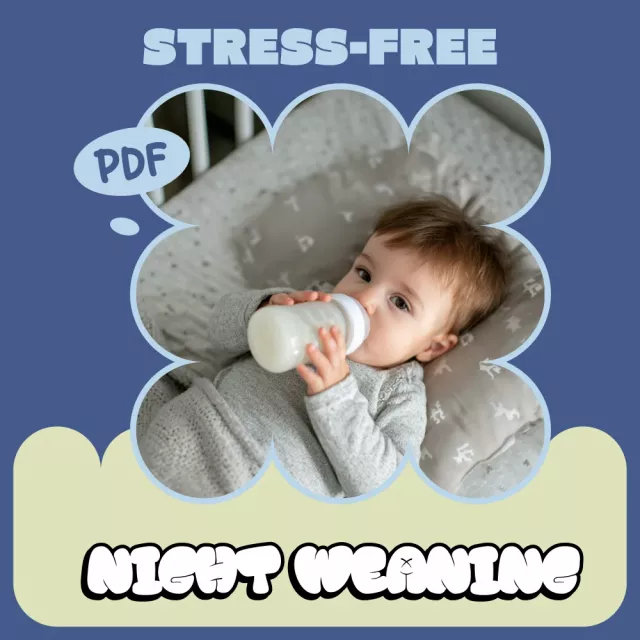
Frequent wake-ups (for bathroom trips, notifications, noise, or caregiving) can raise overnight stress because your nervous system keeps getting pulled back toward wakefulness. If night feeds are part of your routine, a gradual approach to reducing them can lead to longer, steadier stretches of sleep. For a step-by-step approach, see this gentle night weaning plan for fewer night feeds and calmer nights.
Garmin often reflects what your body was doing in the hours before sleep. Try a predictable wind-down window (30–60 minutes) with dimmer lights, a warm shower, light stretching, or calm reading. Avoid emotionally intense content, late work, or heated conversations right before bed.
Caffeine late in the day, alcohol close to bedtime, and large late meals can all push your heart rate up and HRV down. If your stress score is consistently high, test a simple change for a week: no caffeine after early afternoon and no alcohol within 3–4 hours of bedtime.
Keep the room cool, dark, and quiet. Use white noise if sudden sounds wake you. If you wake often, keep lights low and interactions minimal so your body can return to sleep faster.
One rough night can happen for anyone. Look at your Garmin trends across 7–14 days and compare them with changes like fewer night disruptions, a steadier bedtime, or improved pre-sleep routines.
It’s an estimate of how much your body is in a “rest-and-recover” state versus a more activated state, based largely on HRV patterns. Lower overnight stress typically suggests steadier recovery and fewer disruptions.
If you have any questions, here are some useful links:













Leave a comment